Articles

Genesis 1 and the World God Built to Live In
Genesis 1 meaning explained through ancient Israelite cosmology, the raqia firmament, image of God, and seventh day rest, without the science-faith fight.

Righteous and Justified: One Greek Word, Two English Problems
What does righteous mean and what is justification? Learn how one Greek word, split in English, reveals God's covenant faithfulness.

Reading the Bible: A Beginner's Guide to Ancient Texts
Learn how to read the Bible for beginners with a practical 7-step guide covering whole books, literary patterns, ancient context, and daily habits.
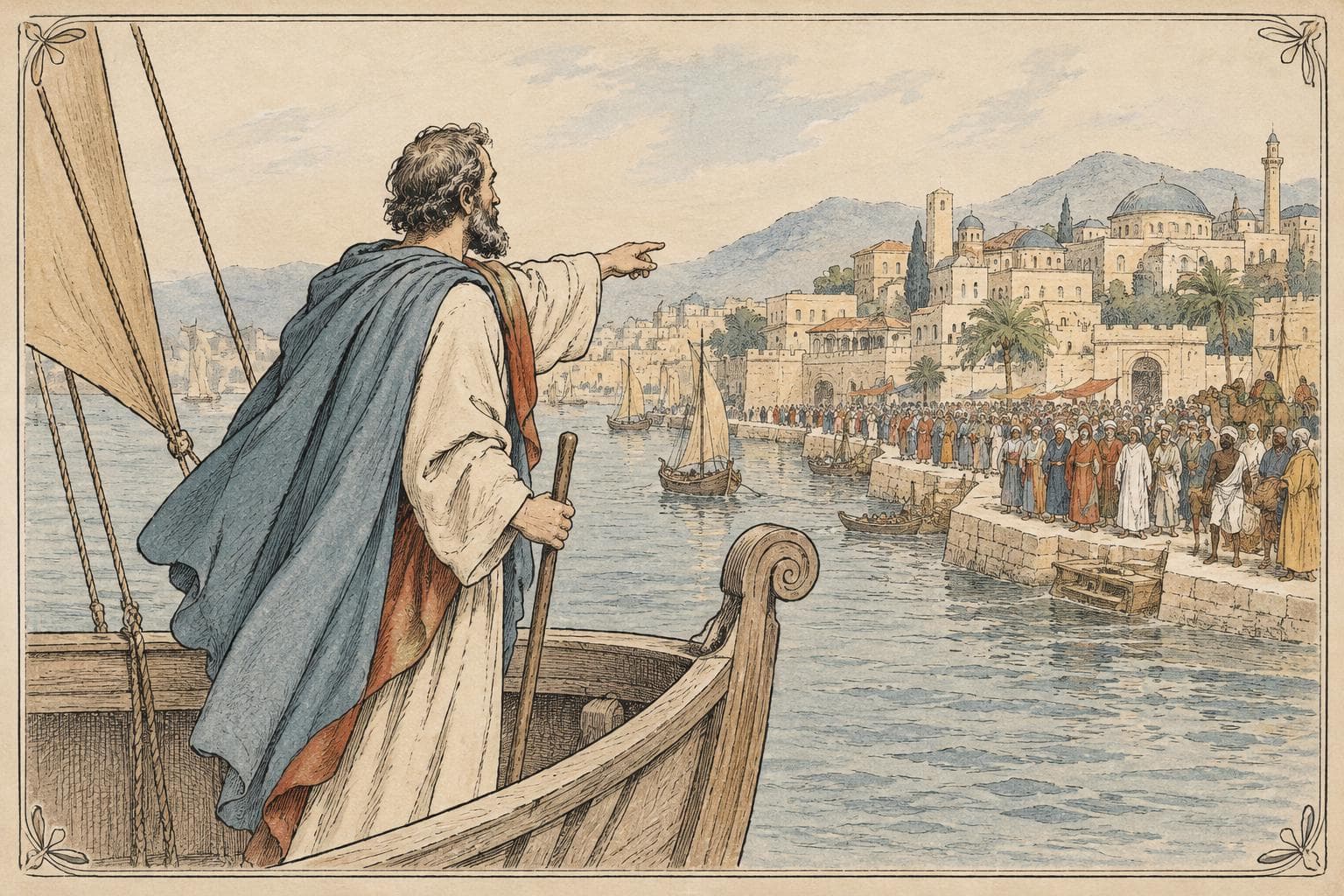
Isaiah 52:15 and Paul's Mission: What the Nations Will See
Isaiah 52:15 meaning explored: how a disputed Hebrew verb and priestly sprinkling language became Paul's scriptural charter for unreached peoples.
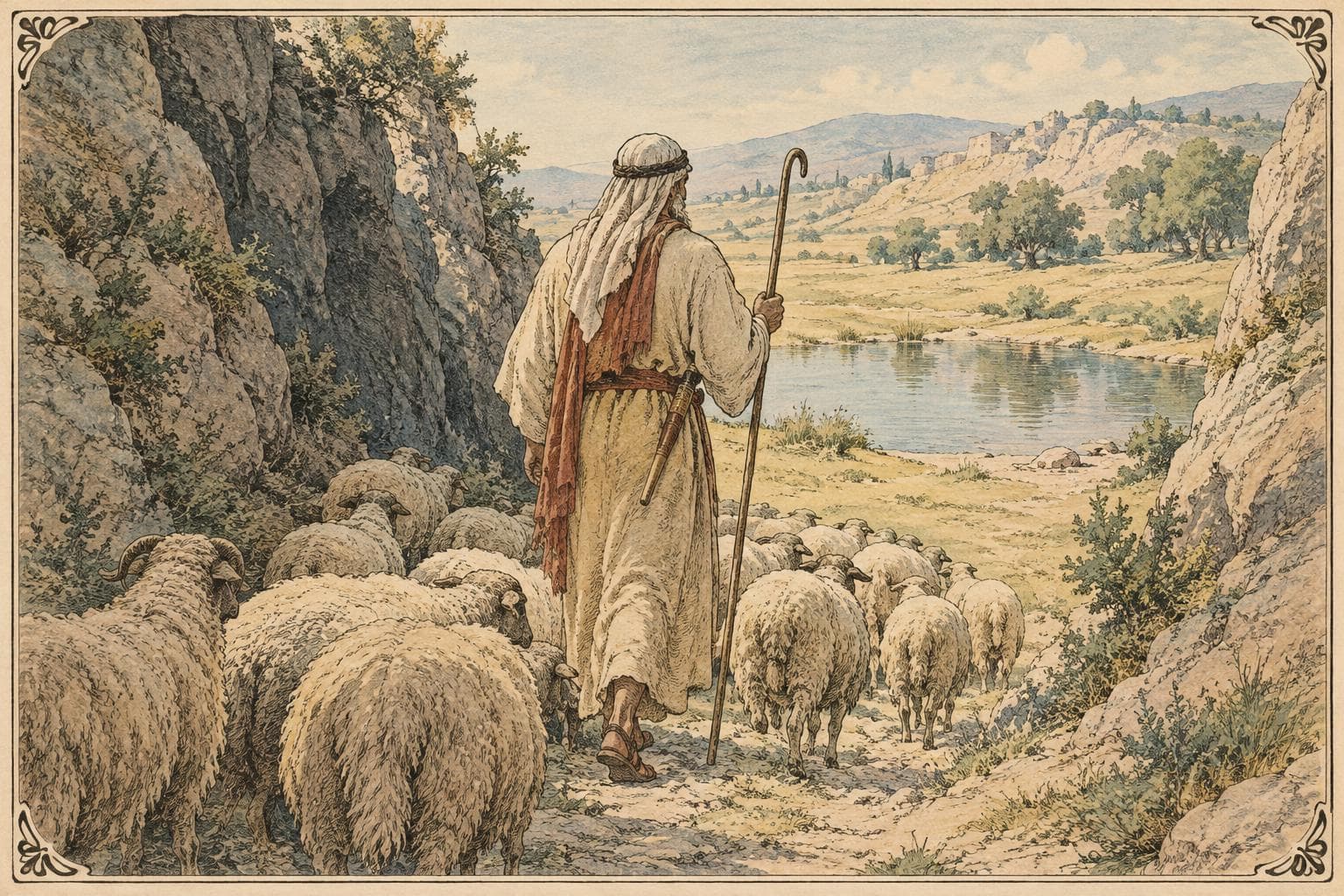
Psalm 23: Hunted by Goodness in Life's Darkest Valleys
Psalm 23 meaning from the Hebrew: Yahuah the shepherd, the valley of deep darkness, and the goodness and hesed that chase you down.
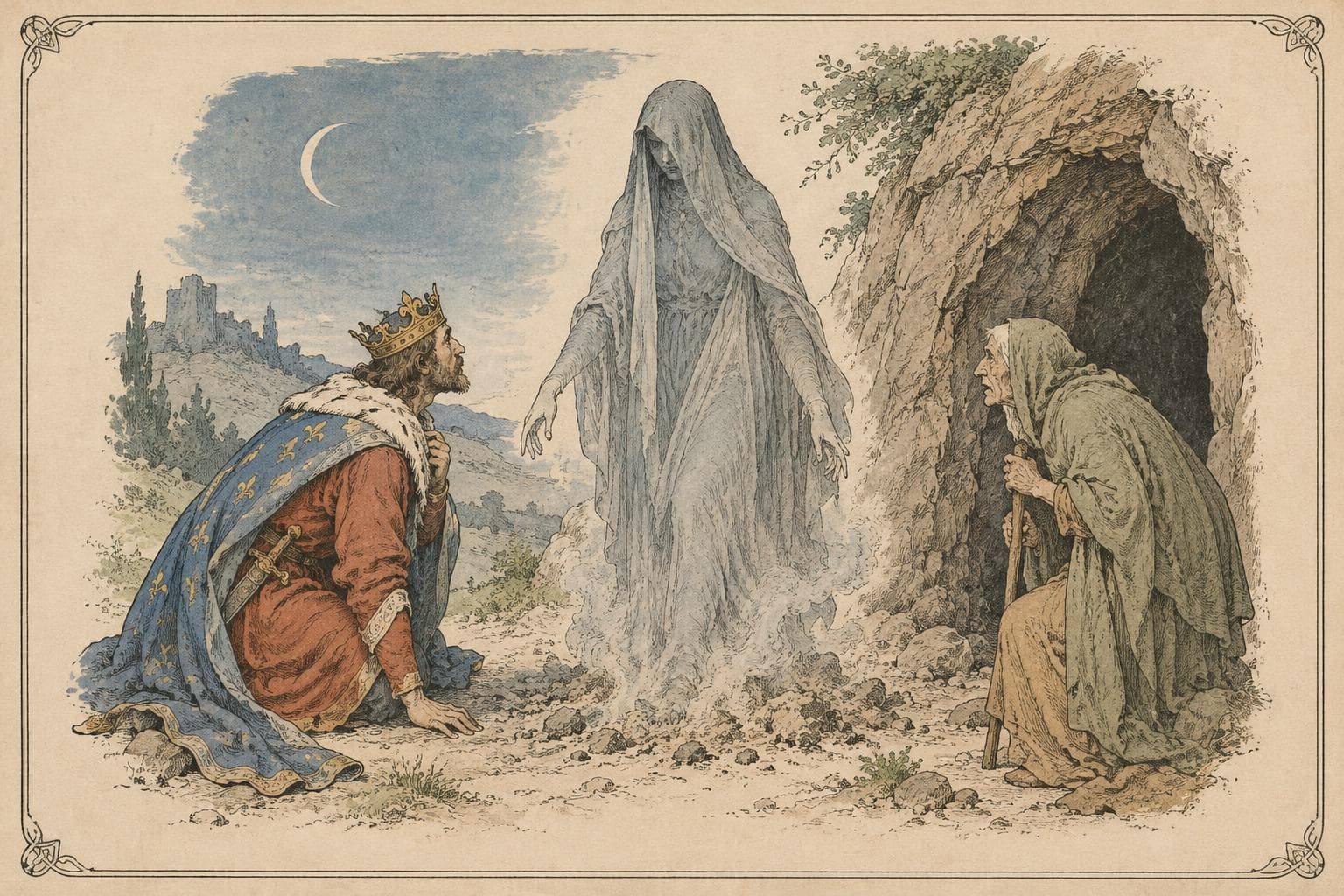
Sheol, Samuel's Ghost, and Why Israel Banned the Dead
What does the Bible say about Halloween? Trace Sheol, the witch of Endor, and Second Temple roots of the communion of saints to resurrection hope.
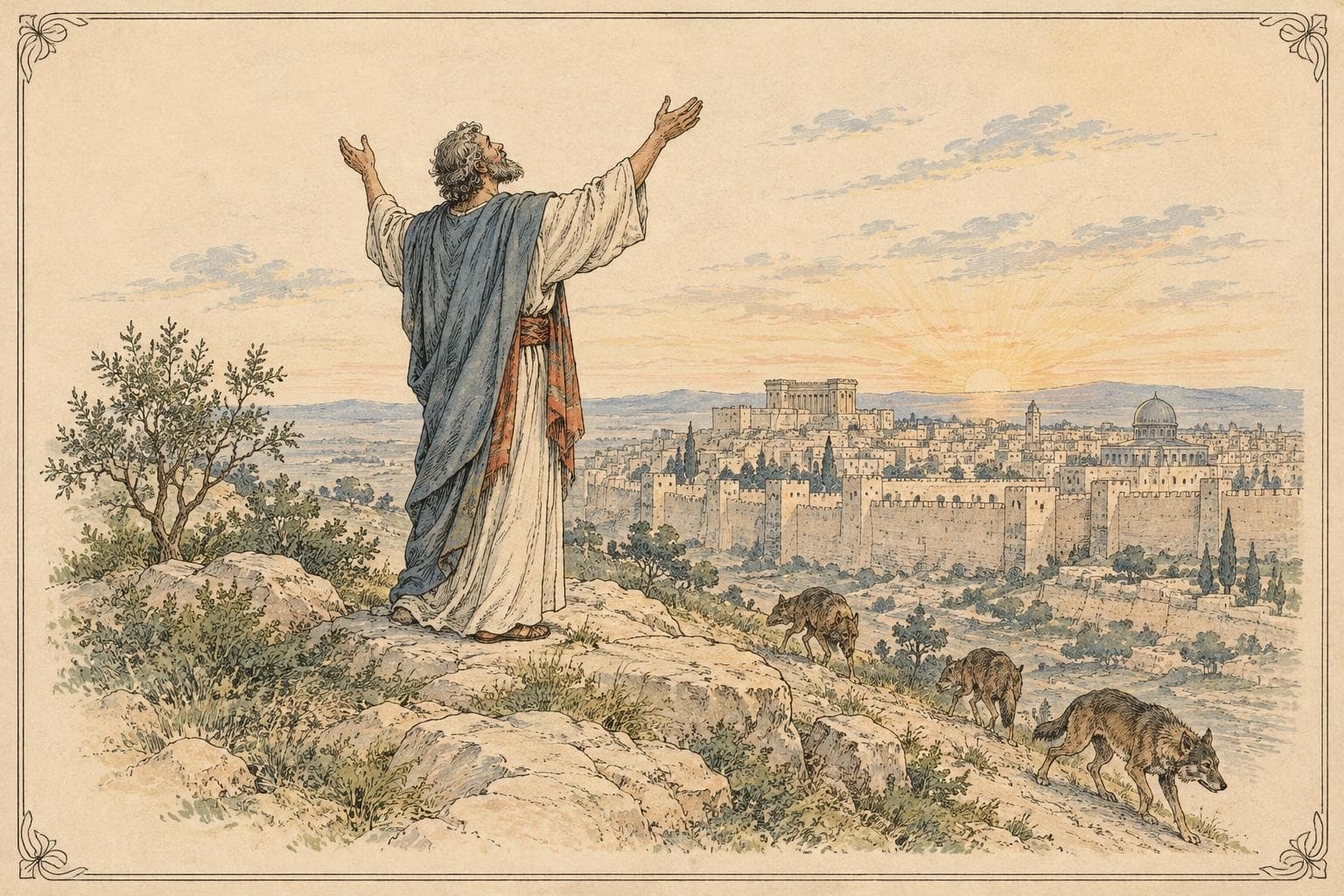
Psalm 22: From Abandonment to Vindication
Explore Psalm 22 meaning for Jesus's crucifixion, from the cry of abandonment to resurrection vindication, and why lament is legitimate prayer.
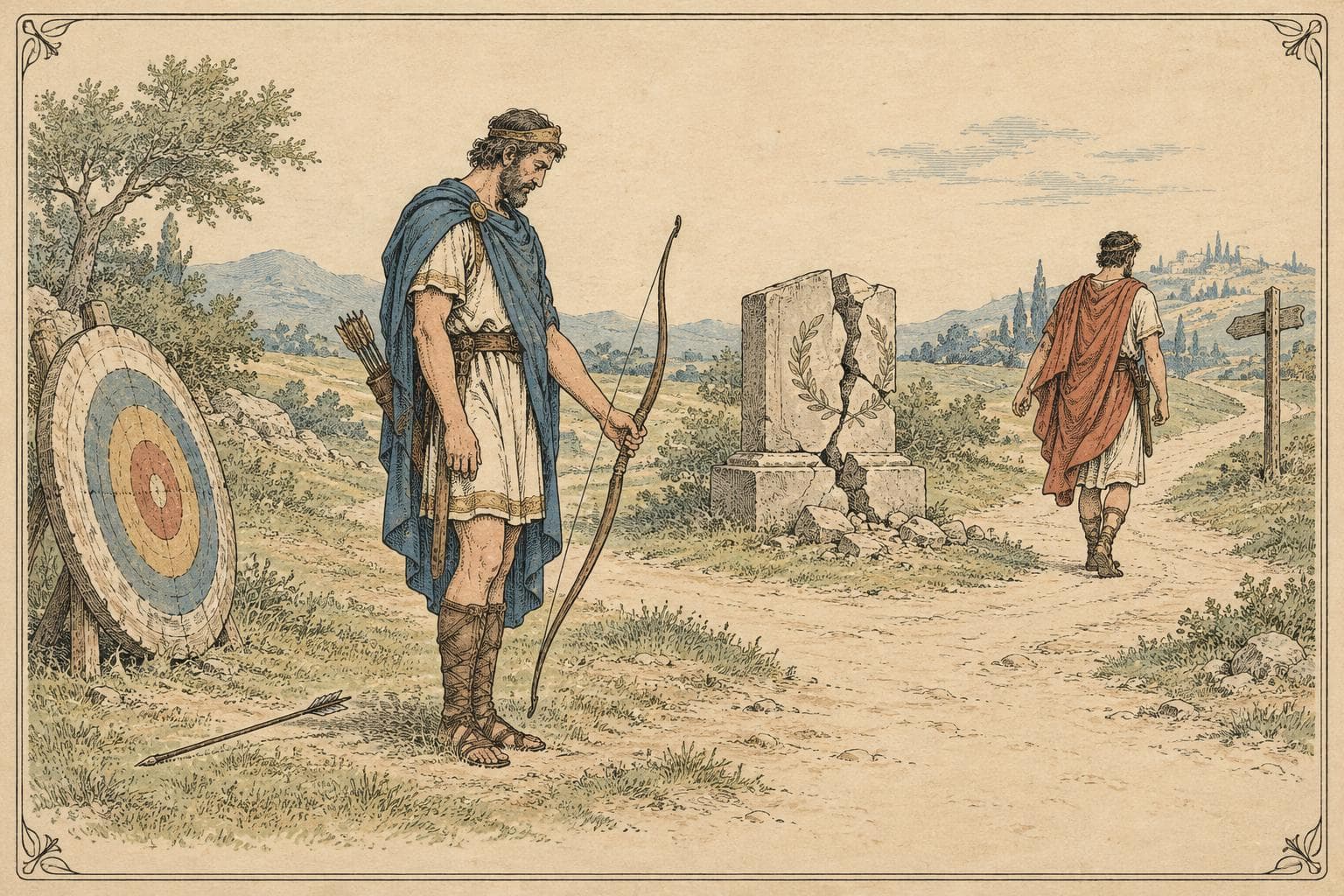
What Sin Means: Hebrew and Greek Reveal More Than "Missing the Mark"
What is sin in the Bible? Trace chata, pesha, awon, and hamartia to find the biblical definition of sin as missed purpose and broken loyalty.
Why I Pronounce God's Name Yahuah
The prophets' names carry Yahu, Judah's name holds YHWH plus one letter, and Josephus called it four vowels. Here is why I pronounce God's name Yahuah.

God's Unilateral Oath: Why Genesis 15 Makes the Cross Inevitable
The Abrahamic covenant in Genesis 15 shows God alone walking through the pieces, a self-maledictory oath that makes the cross its fulfillment, not a backup plan.
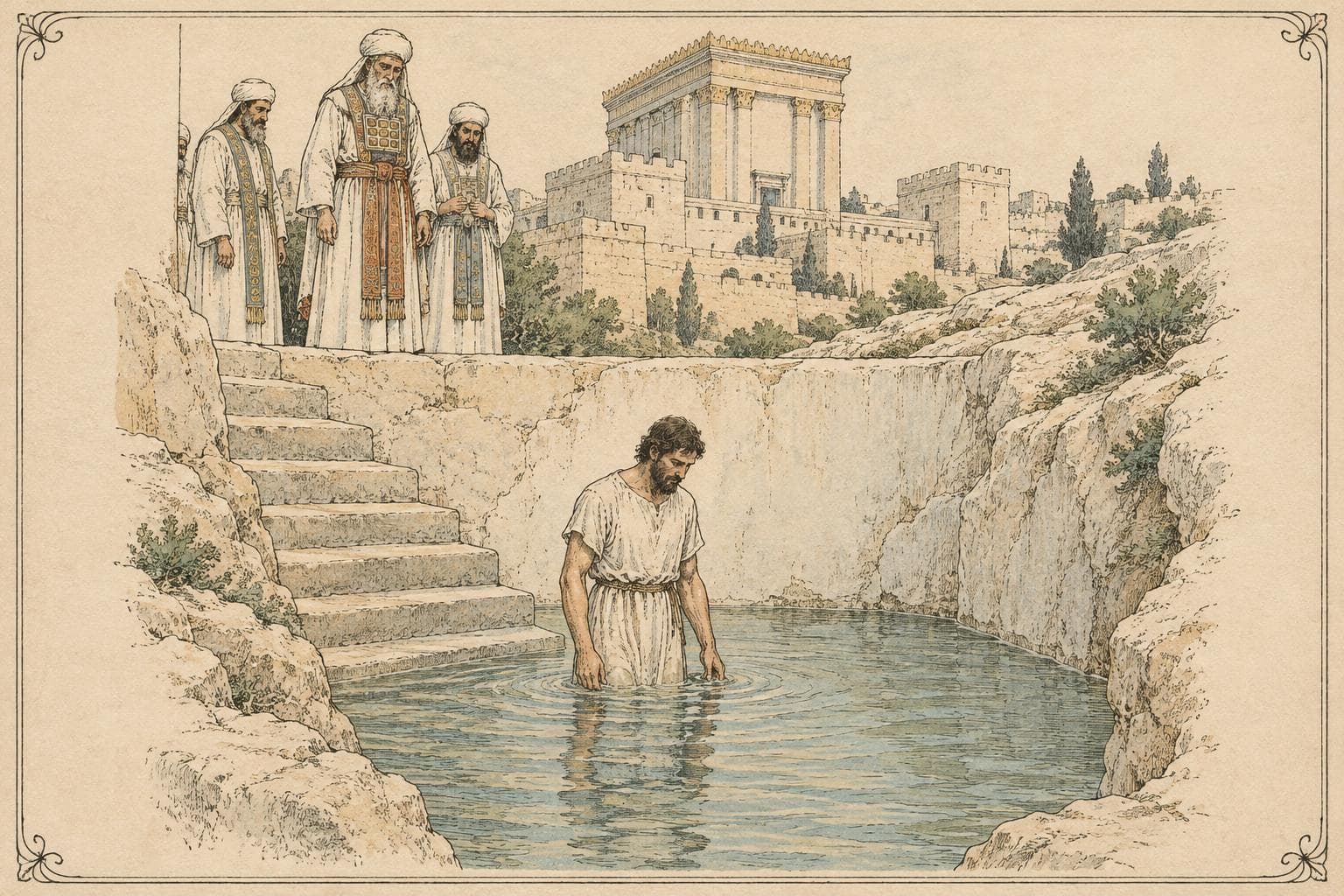
Jesus and the Mikveh: Purity as Power
Mikveh ritual purity and Jesus's clean/unclean disputes reveal a fight over Temple access and religious authority, not legalism versus grace.
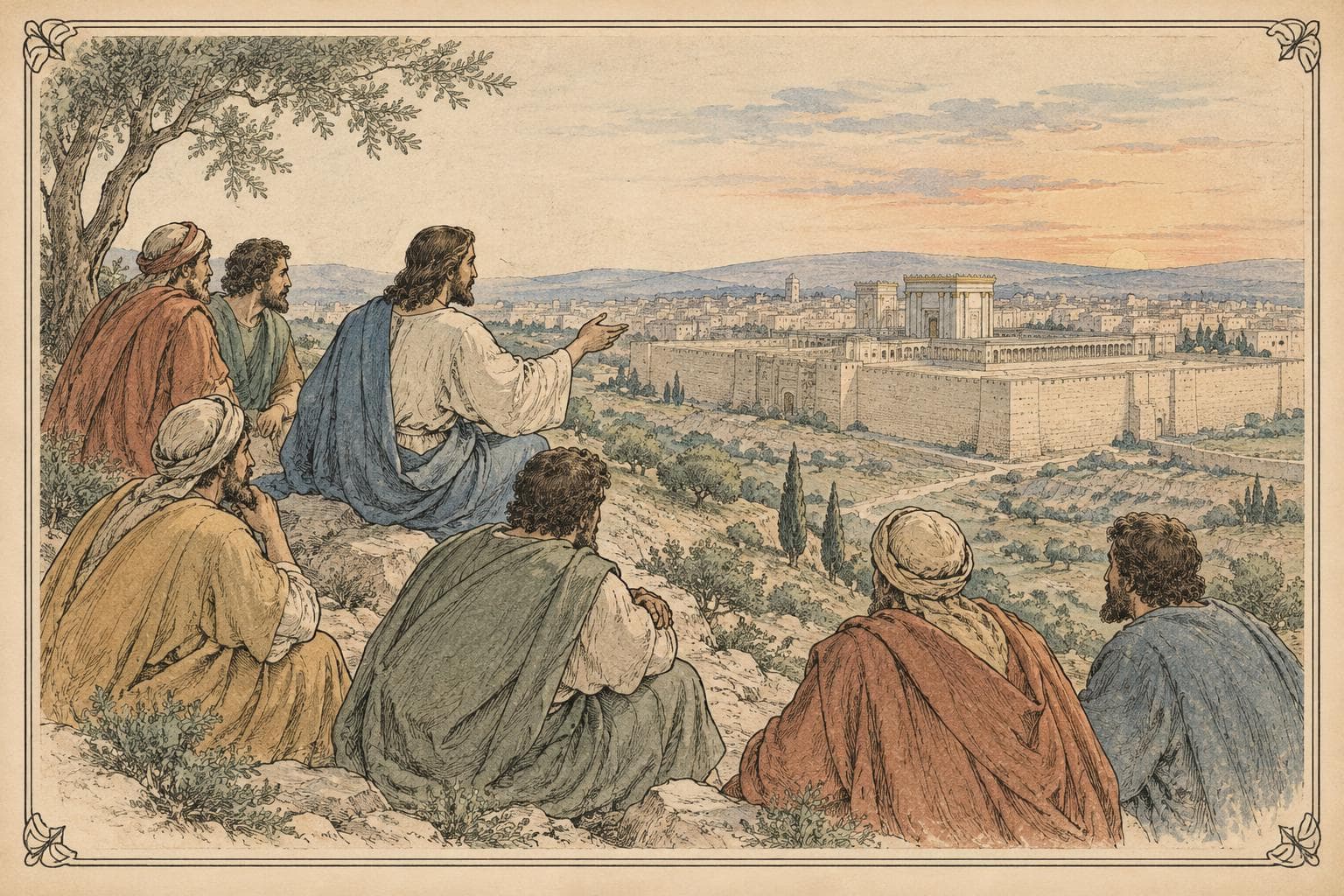
Matthew 24:36: Why No One Knows, and Why It Matters
A careful look at Matthew 24:36, the Olivet Discourse, AD 70 preterism, and the Greek roots of "rapture" theology, without fear or date-setting.
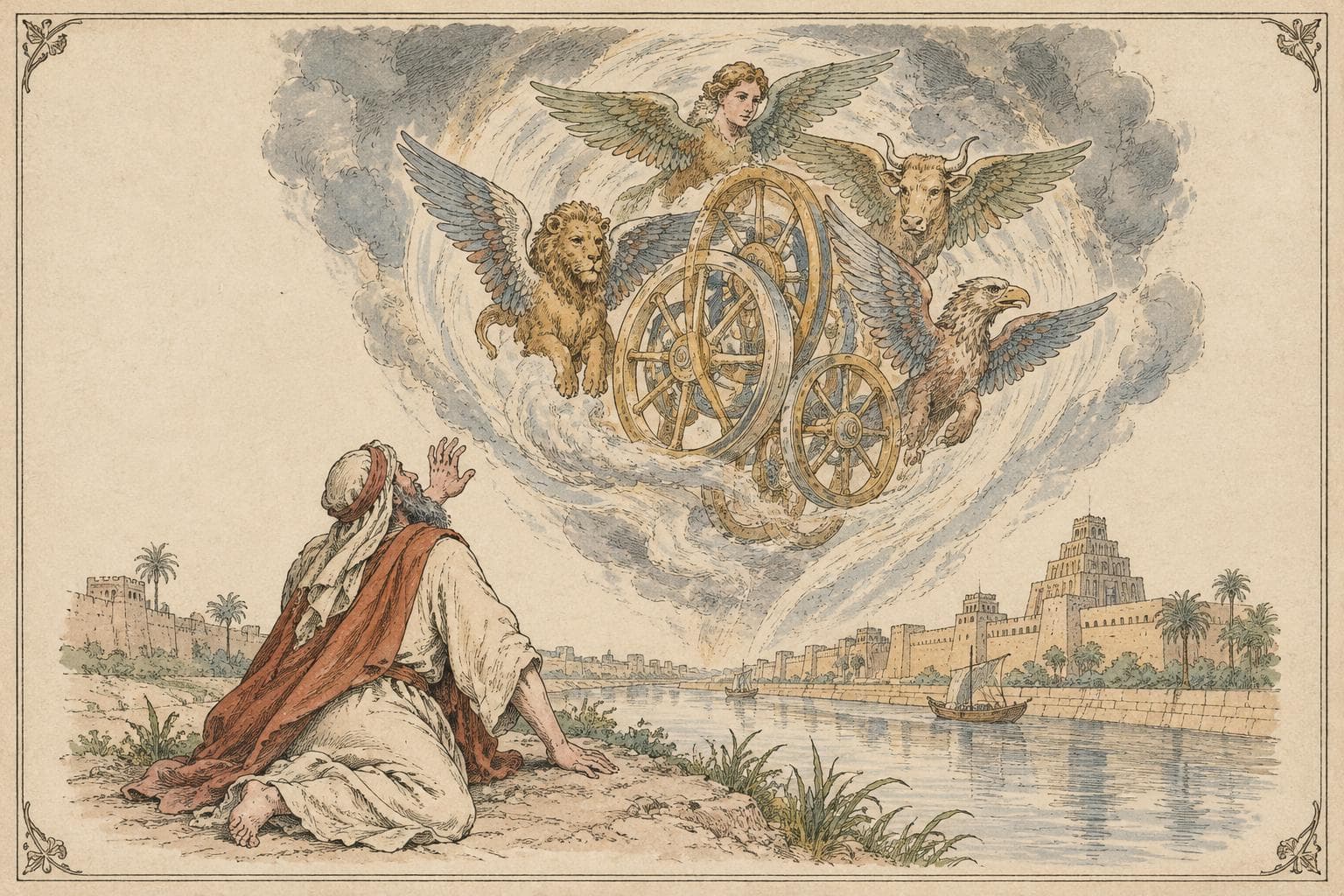
Ezekiel's Radical Vision: Prophet of Exile & Divine Judgment
Ezekiel's radical vision reveals crisis theology for exiles who thought God had lost. Explore the throne chariot, watchman warning, and glory's departure.

Written in the Lamb's Book: Grace, Covenant, and Present Action
The Lamb's Book of Life isn't a sealed afterlife file. Discover how covenant loyalty, repentance, and character shape a living record written today.
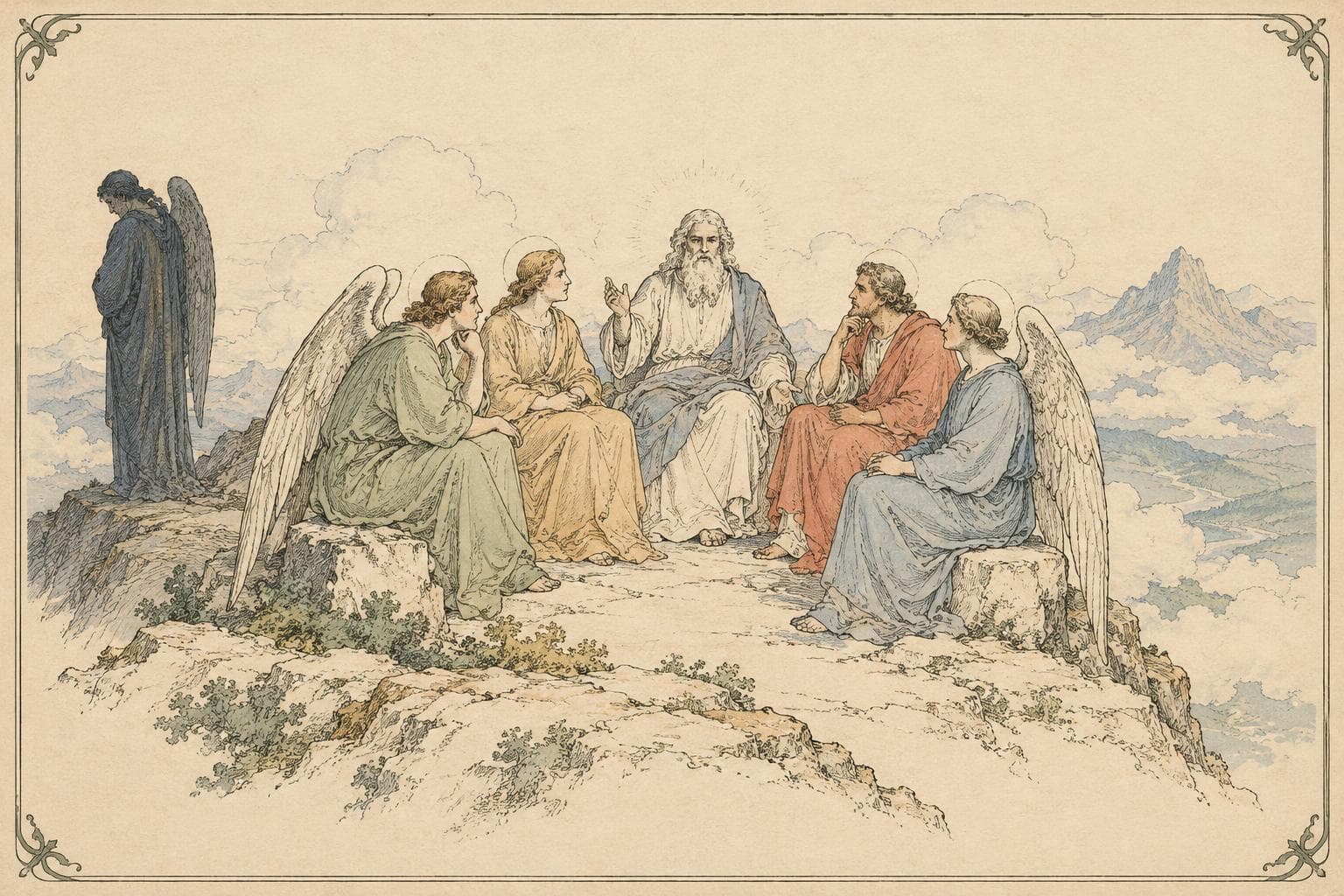
Gadrel, Not Satan: What 1 Enoch Reveals About Spiritual Rebellion
Explore Gadrel, the divine council, and Satan theology in Second Temple Judaism. See how spiritual beings and rebellion were once far more complex.
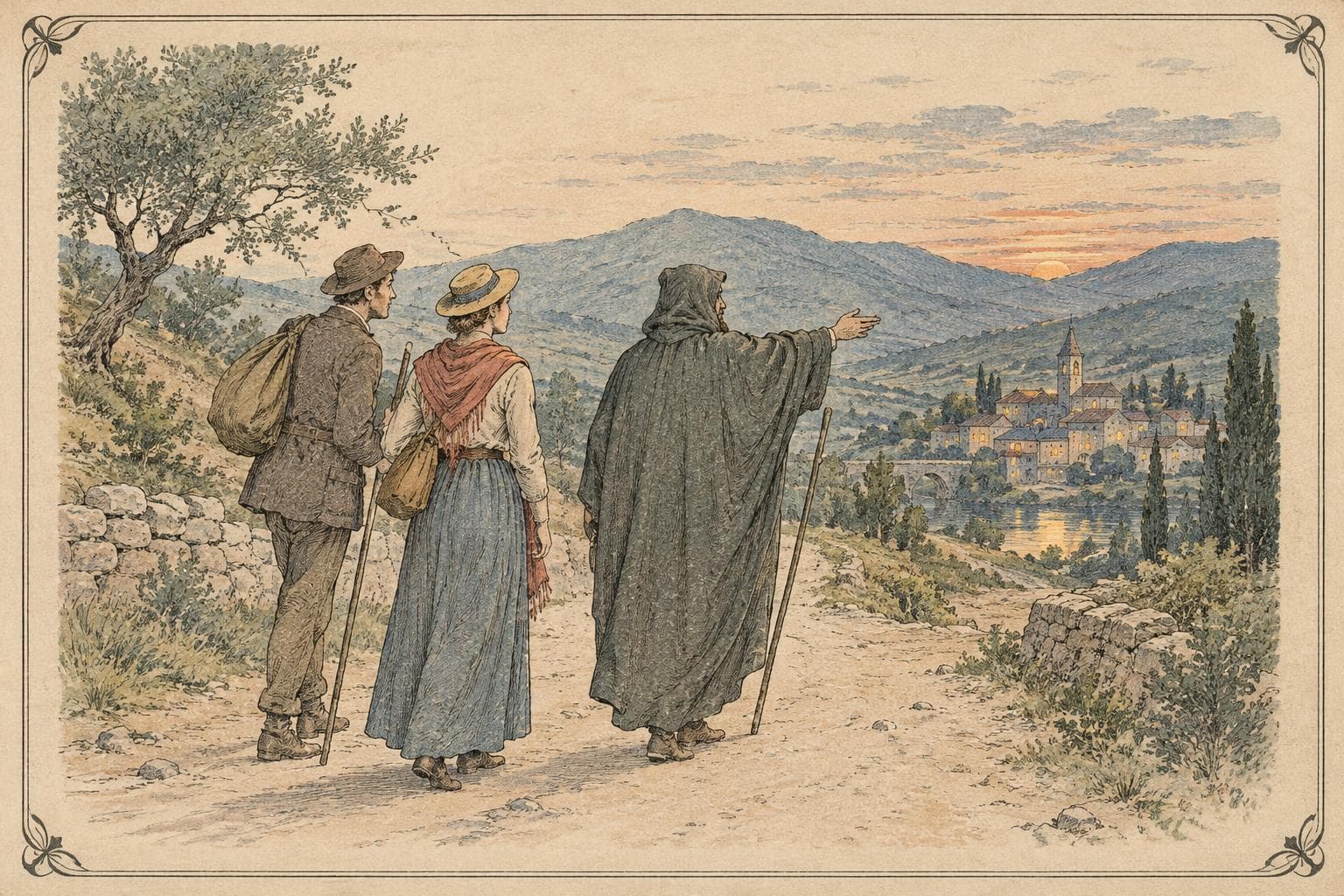
Why You Can't See Jesus in Scripture Yet
The Road to Emmaus reveals why biblical knowledge fails without divine illumination. Discover how Jesus opens Scripture to reveal himself throughout the Hebrew Bible.
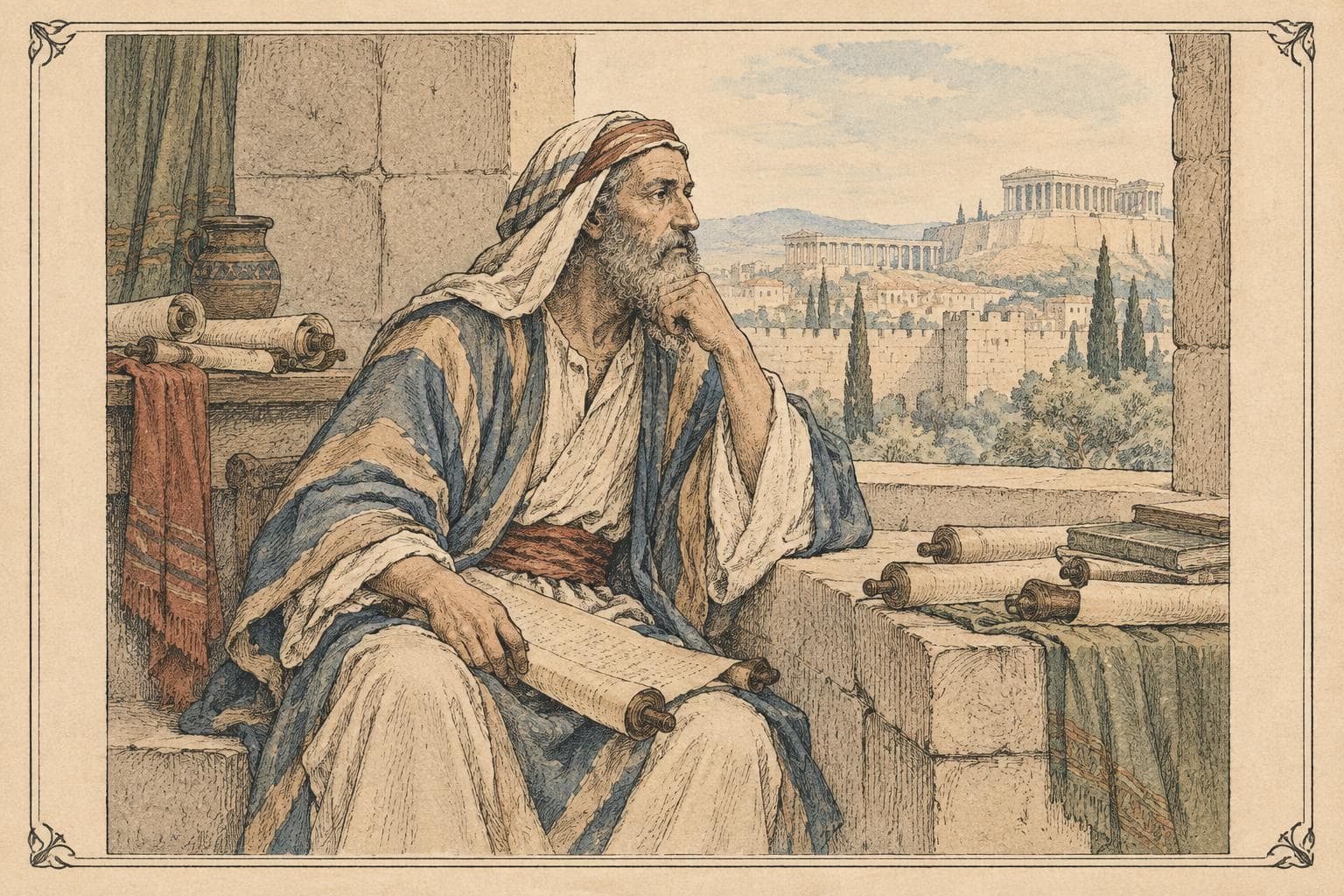
John's Logos: Judean Wisdom, Not Greek Corruption
The debate over John's Logos splits into two camps: Greek sellout or pure Hebrew thought. Judean Wisdom literature points to a third reading, bolder than either.
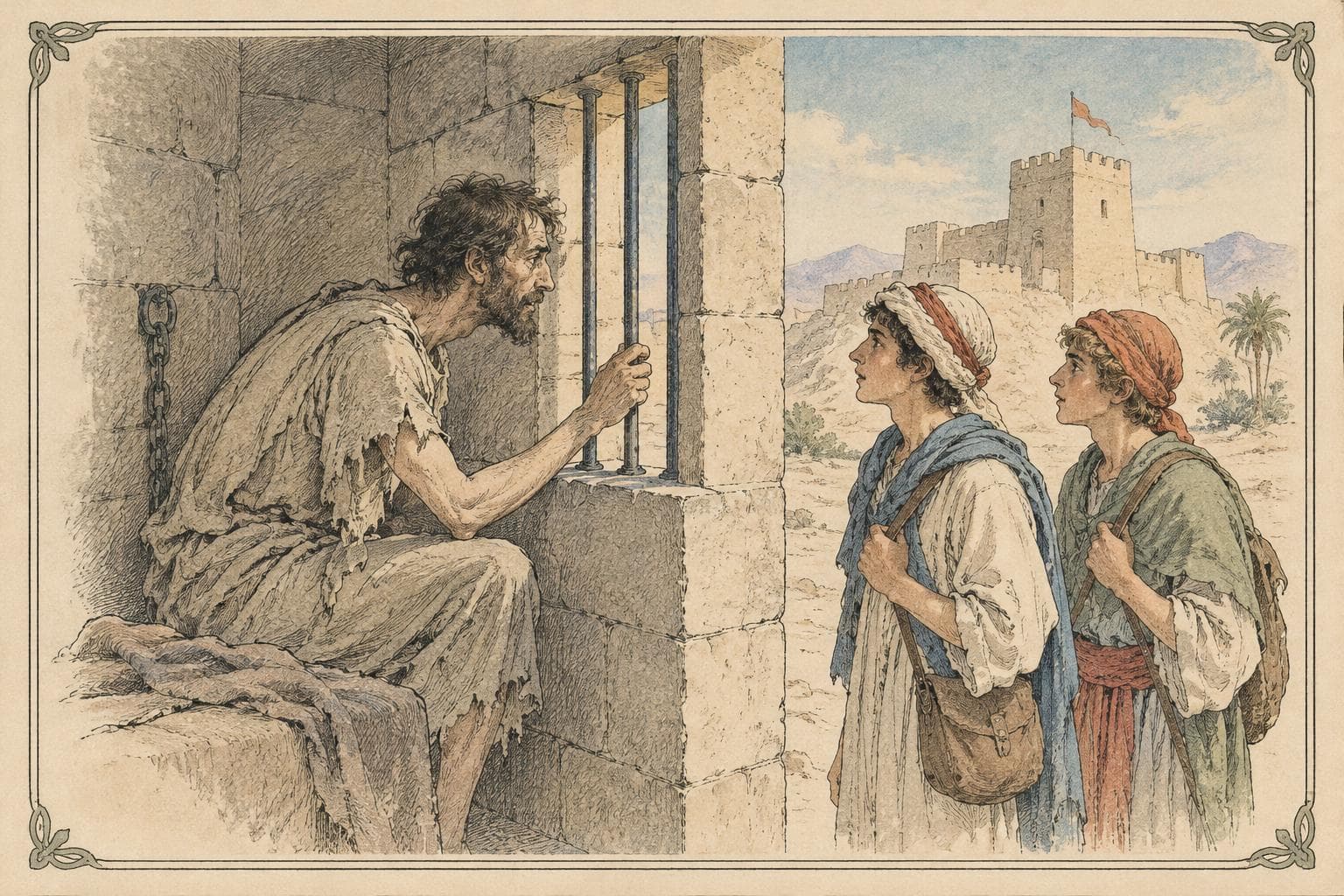
John's Doubt: Why Jesus Redefined Exile and Kingdom
John the Baptist announced Jesus, then asked from prison if he had the right man. His doubt shows how far Jesus redefined exile, kingdom, and restoration.
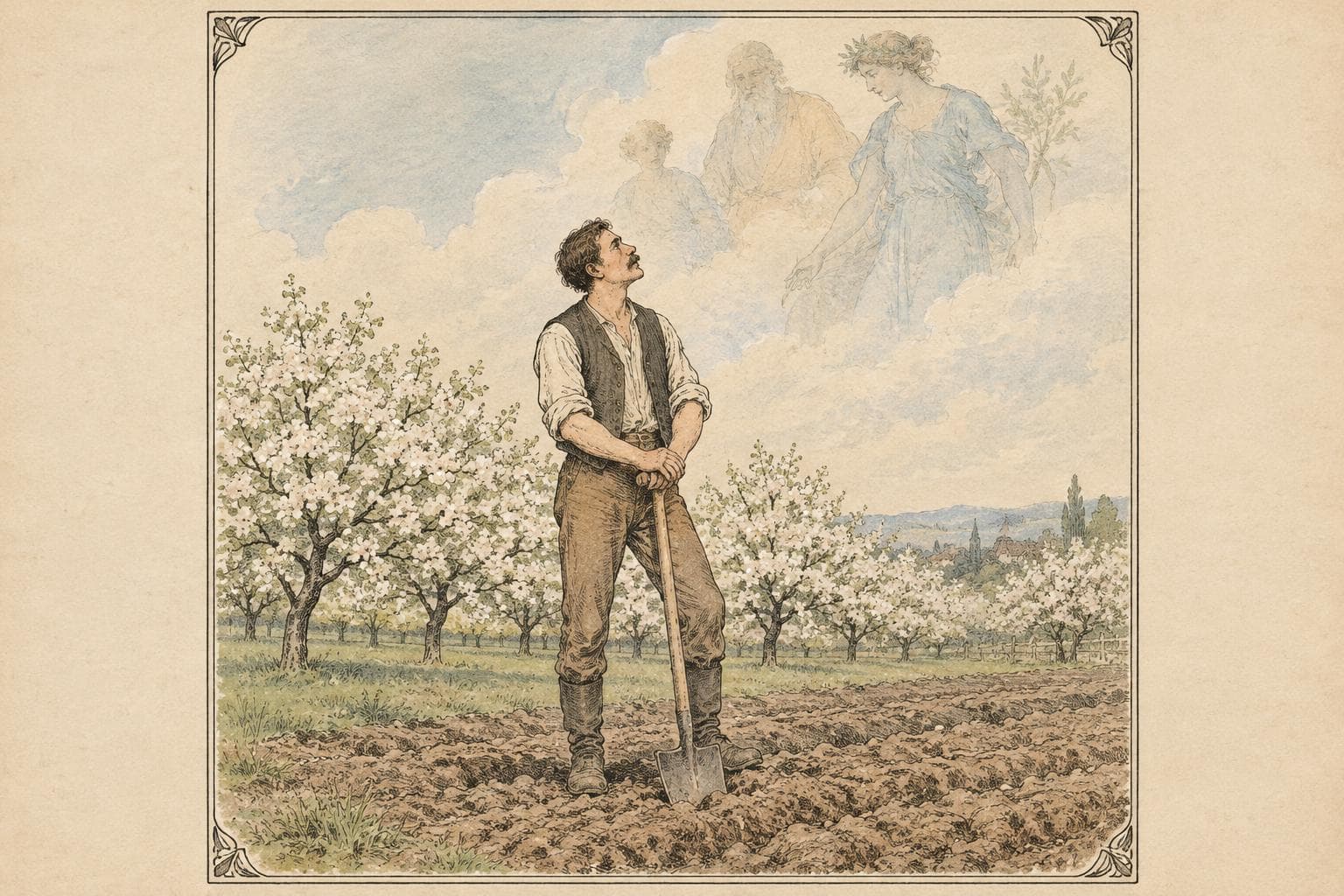
You Were Never Meant to Float Away
The version of hope we've been sold, souls escaping to heaven, is not the Christian story. The resurrection announces something far more physical, far more radical: God is not abandoning His creation. He is renewing it.
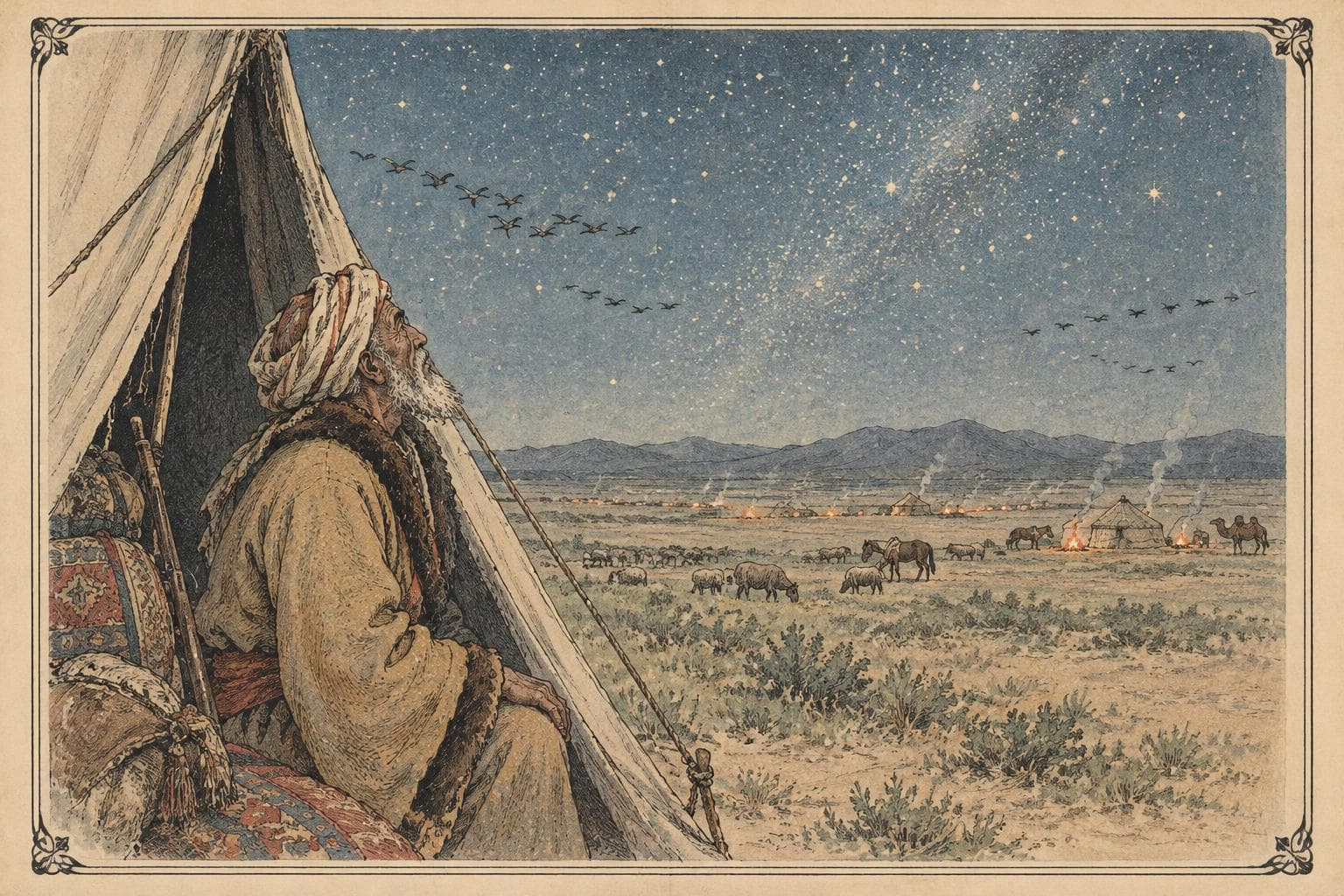
Election as Method: Why God's Choice of Abraham Saves Everyone
Discover how election theology reframes when we understand God's choice of Abraham as redemptive method, not favoritism: Ancient Near Eastern covenant wisdom explained.
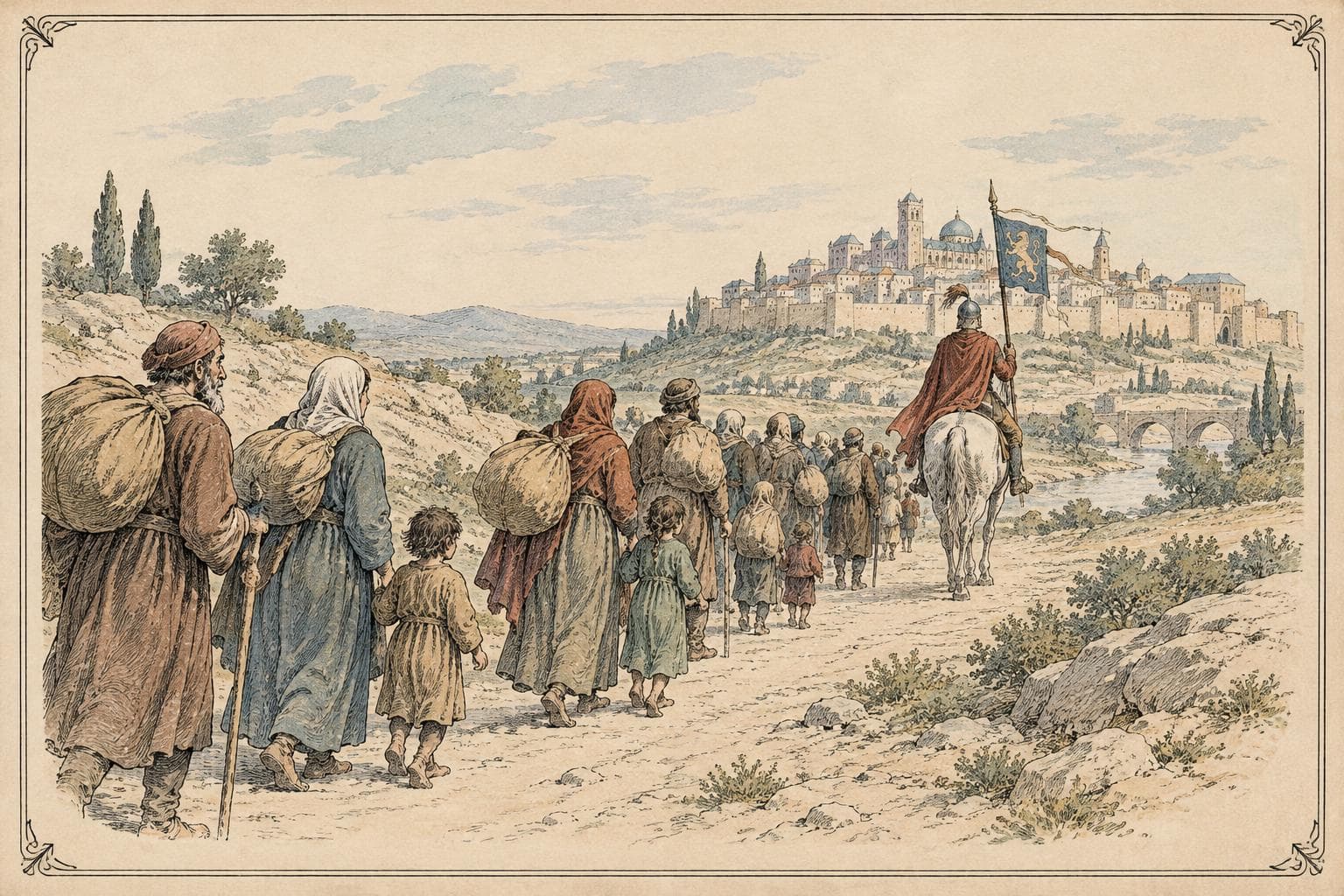
What Did 'Salvation' Actually Mean? Ancient vs. Modern
Discover how Second Temple Jewish salvation meant national restoration, not individual heaven-bound souls. Explore the shift from corporate to personal salvation theology.
James and Paul: Exile, Covenant, Not Enemies
The Exile That Never Ended: Paul and Diaspora Theology
How the Babylonian Exile created permanent diaspora consciousness that Paul universalized, transforming Christian identity through inherited Jewish displacement theology.
You Become What You Worship
What you worship shapes who you become. The Bible's strangest story explains why, and how to break free.
When Border Debates Feel Like Holy War: What Your Worldview Has to Do with ICE Protests
We are witnessing something far more significant than a policy disagreement. We are witnessing people who have touched upon one of the most vital mysteries of human existence: the fact that we are rarely the neutral observers we imagine ourselves to be.
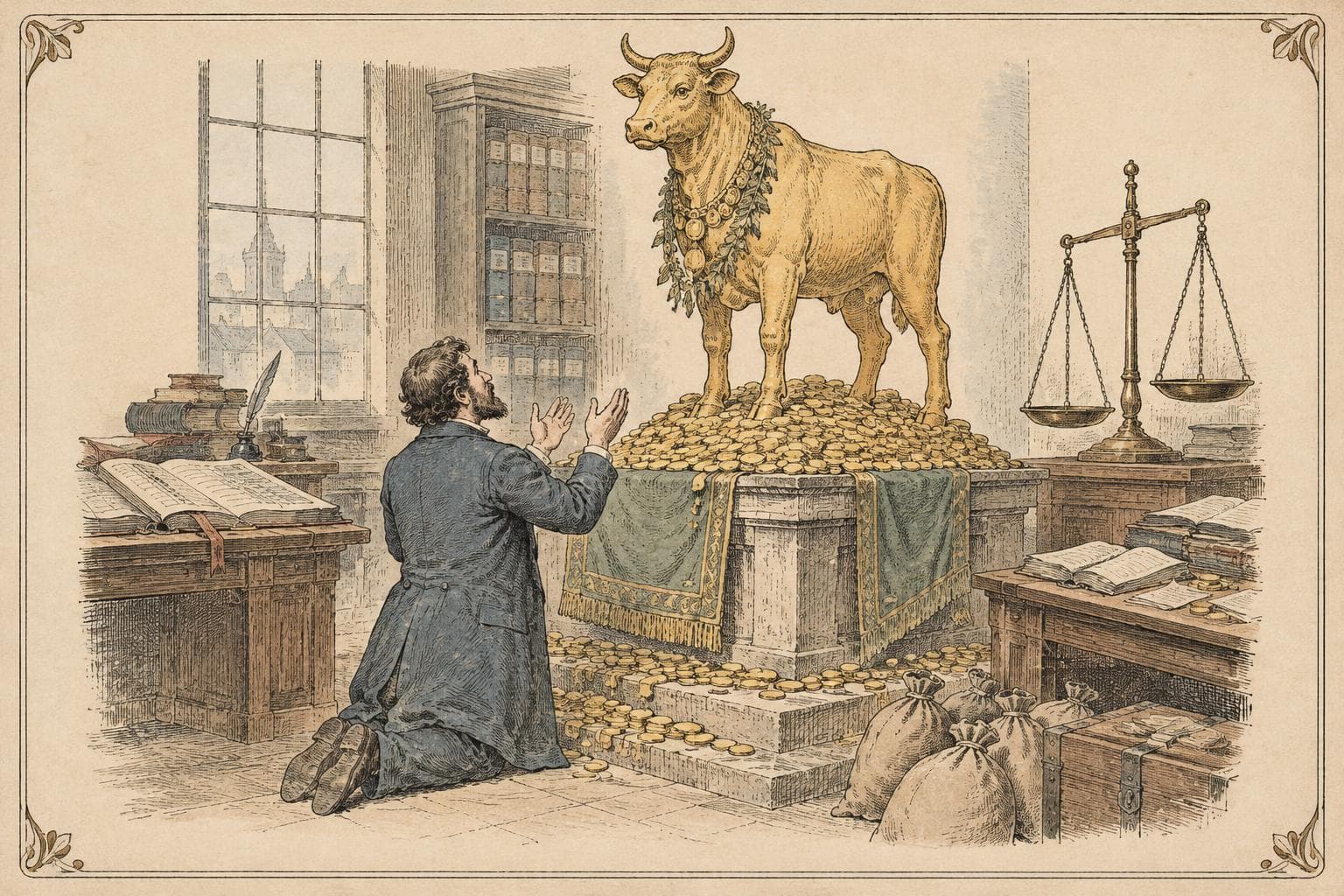
The God Called Money: Idolatry's Ancient Claim on Modern Hearts
The startup pitch deck, for all its Silicon Valley novelty, was rehearsing a script as old as human civilization itself: the promise that financial abundance will solve the fundamental problems of human existence.
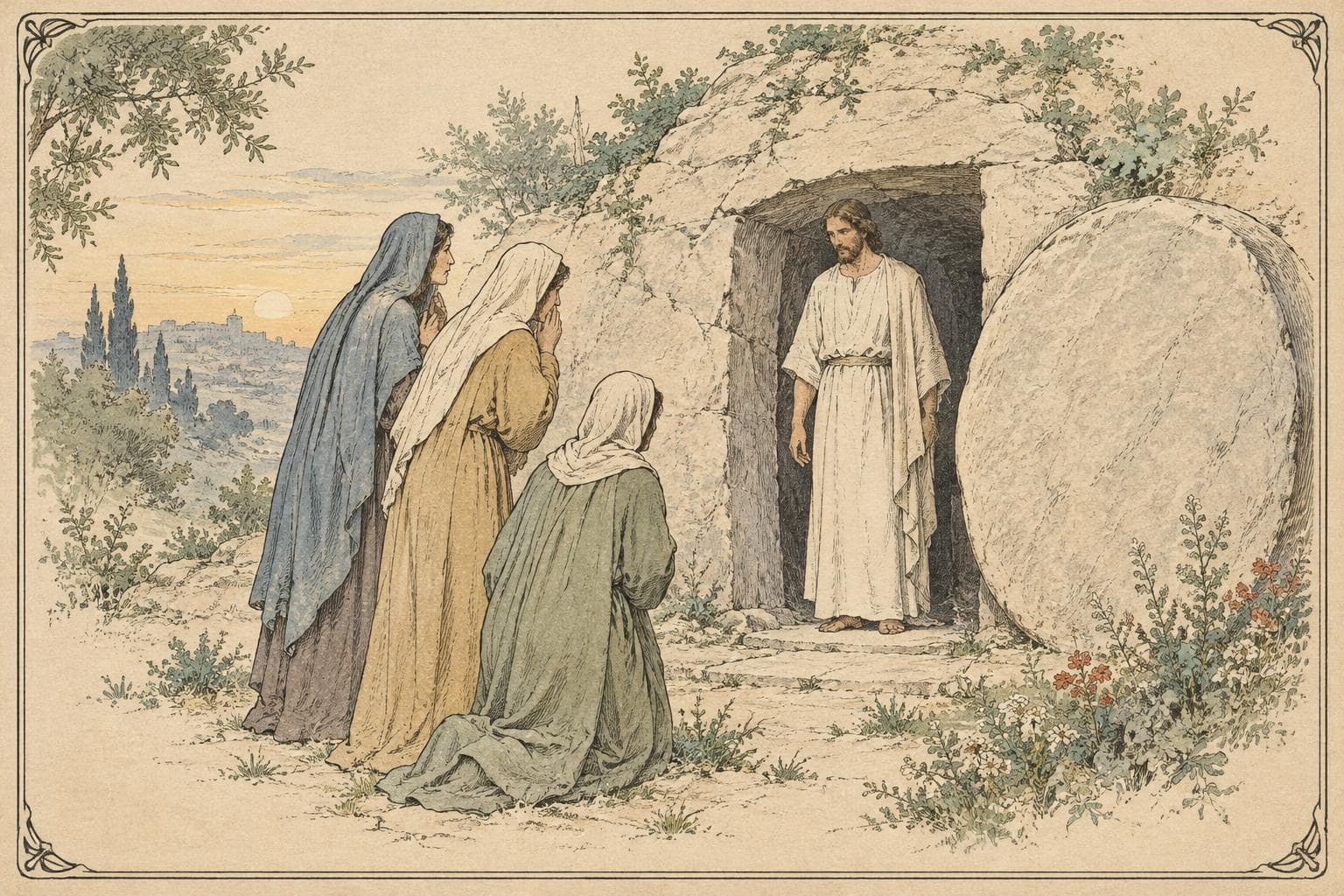
The Death We Cannot Accept: Why Resurrection Is the Only Coherent Hope
We live in a curious age where even the most committed materialist treats death as an intruder. The vocabulary of our deepest moral intuitions keeps pointing us toward a story we claim not to believe.
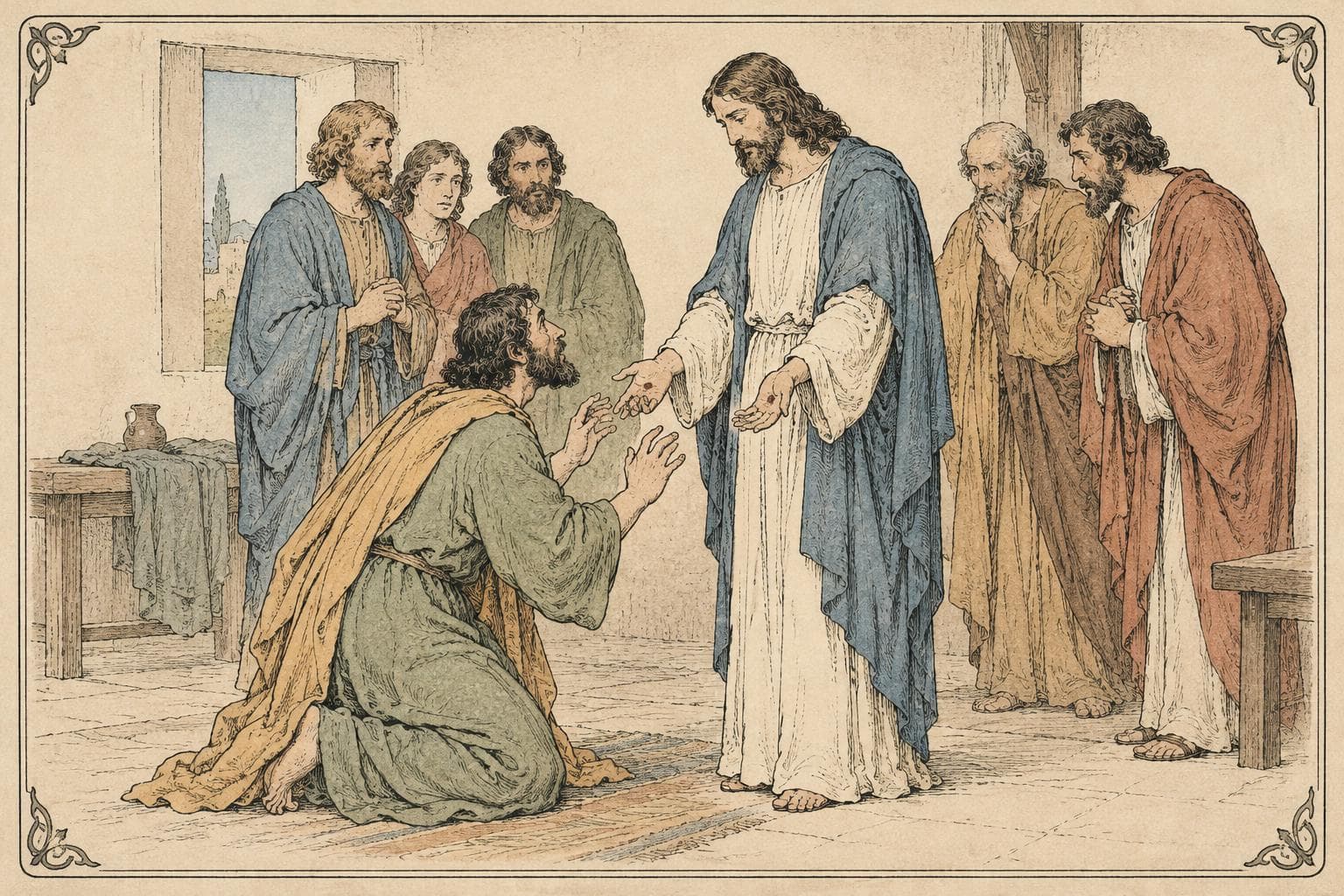
"My Lord and My God": When Thomas Said What No 1st Century Judean Should Say
Thomas isn't expressing surprise. He's making a formal, deliberate confession of faith, directing at Jesus the precise vocabulary reserved for Yahuah alone. And Jesus accepts it without correction.
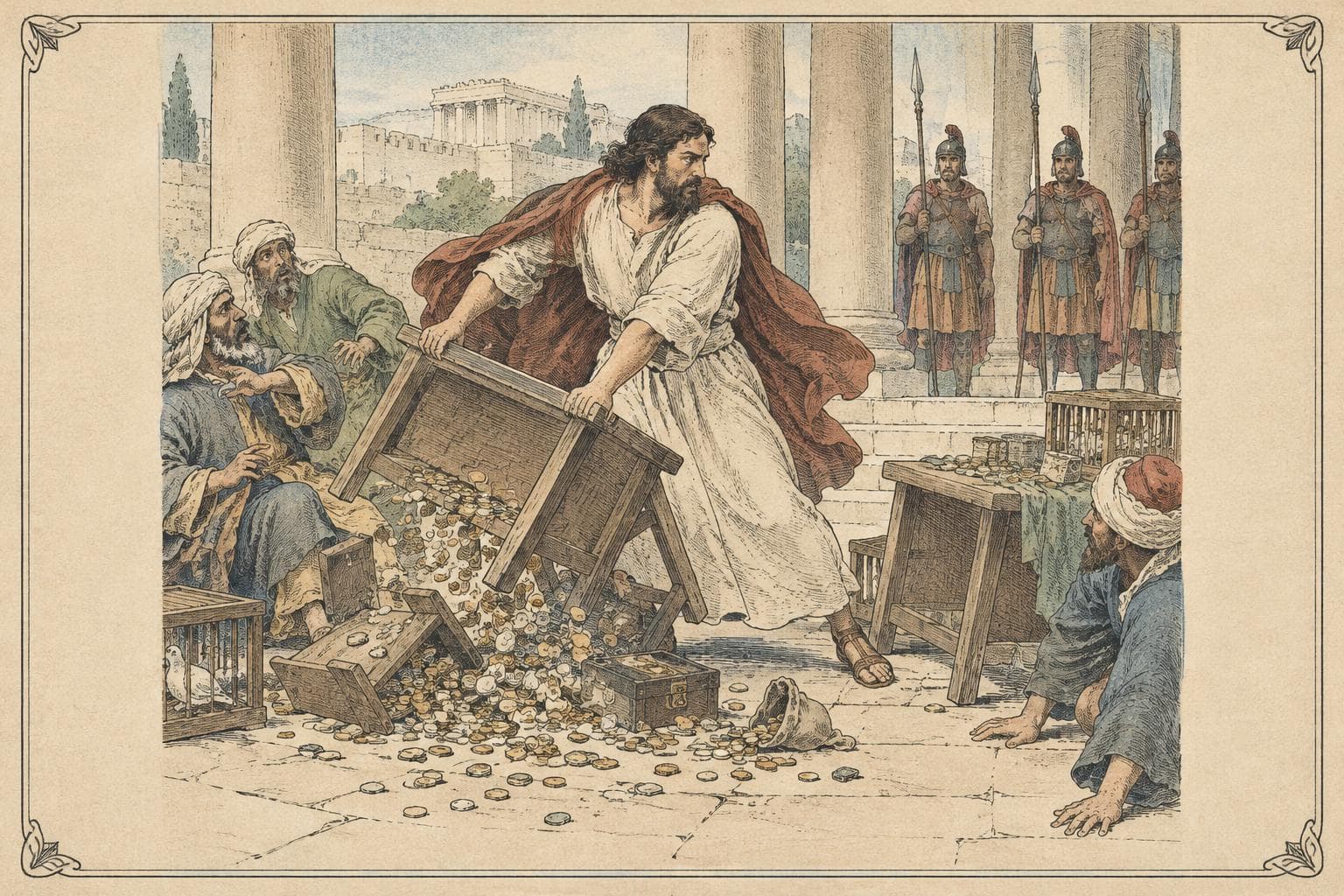
Was Jesus a Warrior Messiah? On Tables, Swords, and the Politics of Violence
When we remake Jesus into a figure who endorses political aggression, who sanctions violence in defense of Christian civilization, we are not recovering some neglected truth. We are committing idolatry.
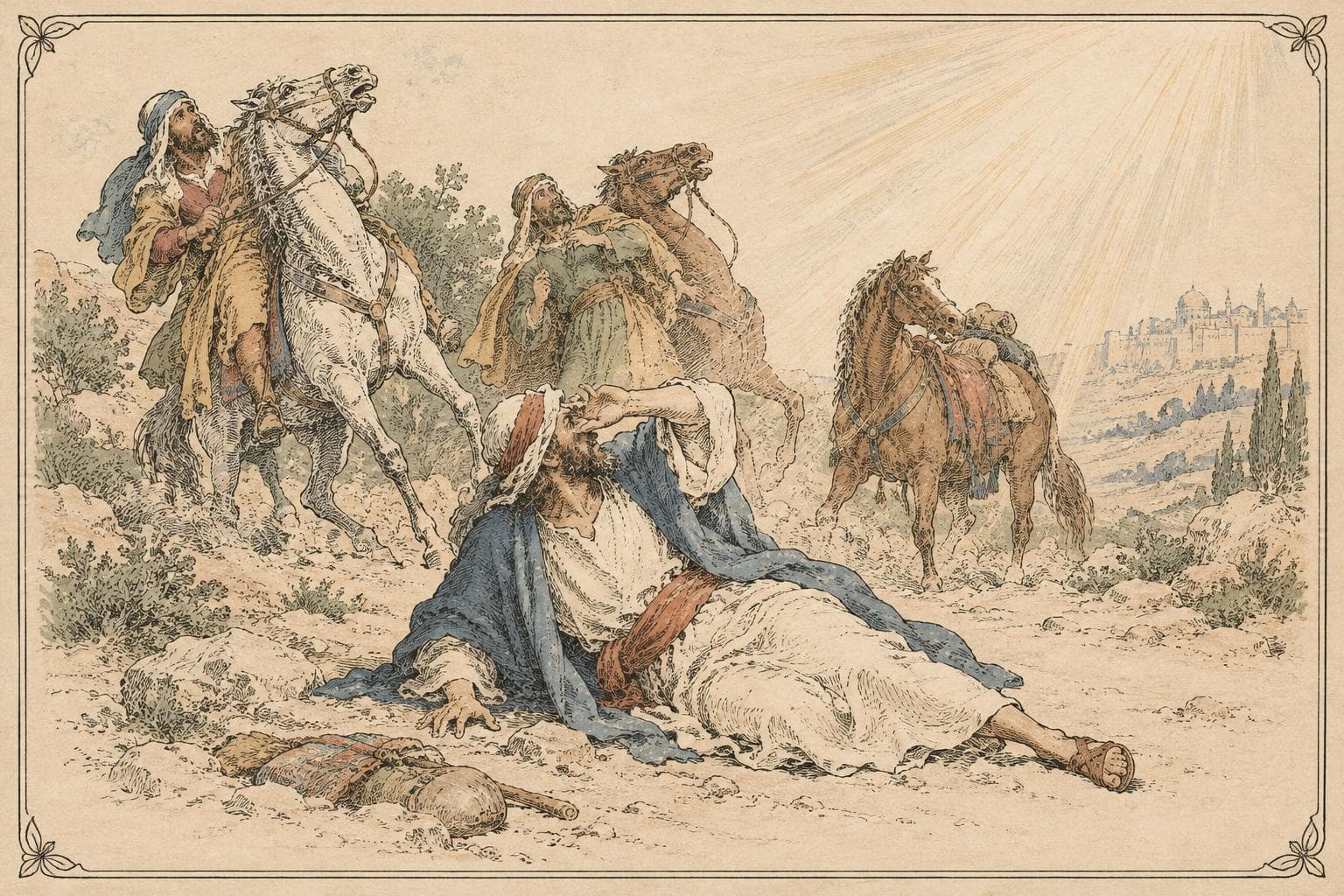
When Paul Said "Lord," Did He Mean YHWH?
When Paul encountered a blinding light and a voice from heaven, his scriptural reflexes would have reached for kyrios as the natural way to address the God of Israel. Not because Moses said it that way, but because Paul's Bible taught him to say it that way.
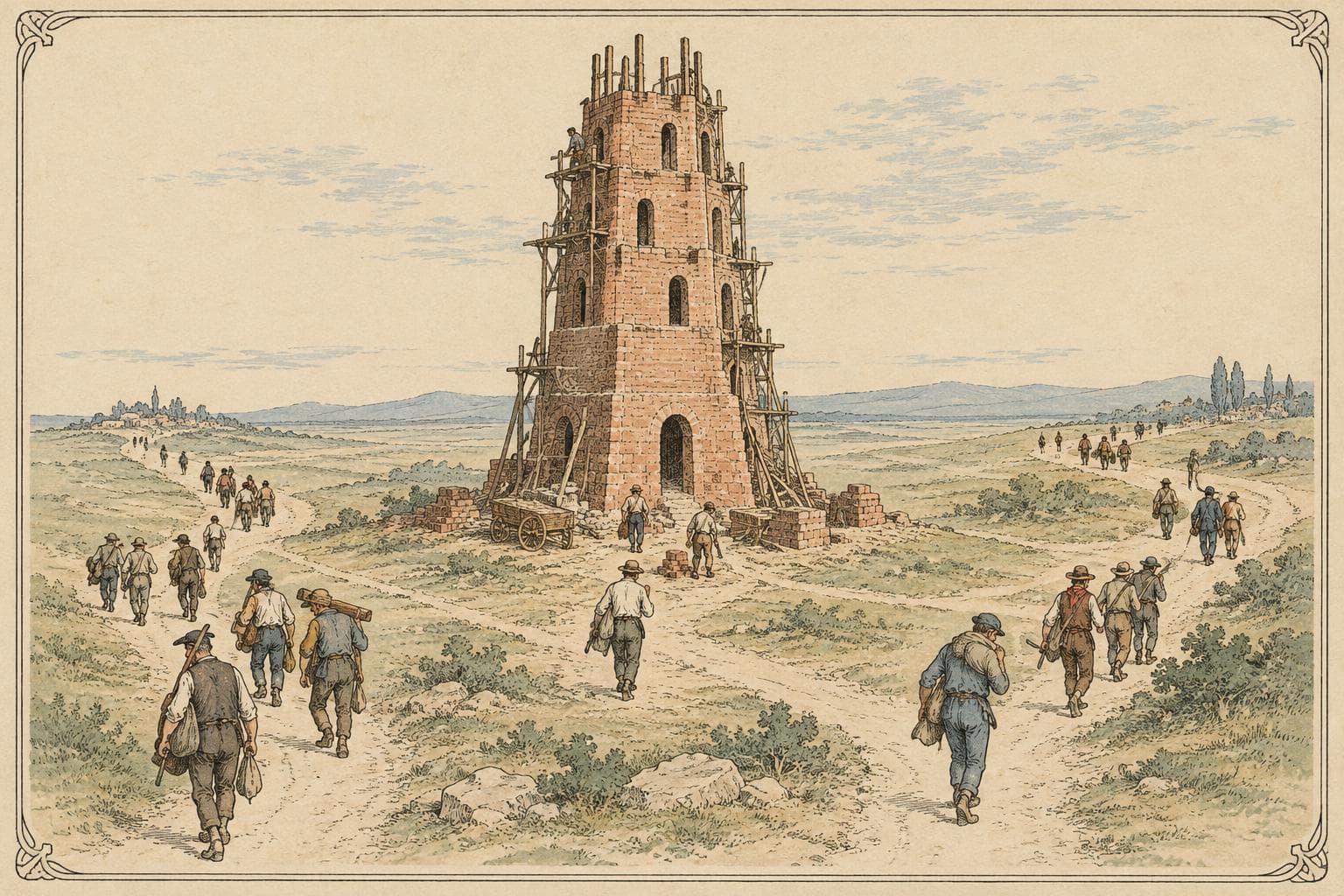
Why So Many Religions? The Ancient Story Behind Our Modern Confusion
The sheer diversity of religious belief appears to vindicate the relativist position. But the ancient biblical narrative itself predicts precisely this situation: accounting for religious diversity not as evidence against a single divine story, but as the tragic consequence of humanity's repeated attempts to write alternative ones.
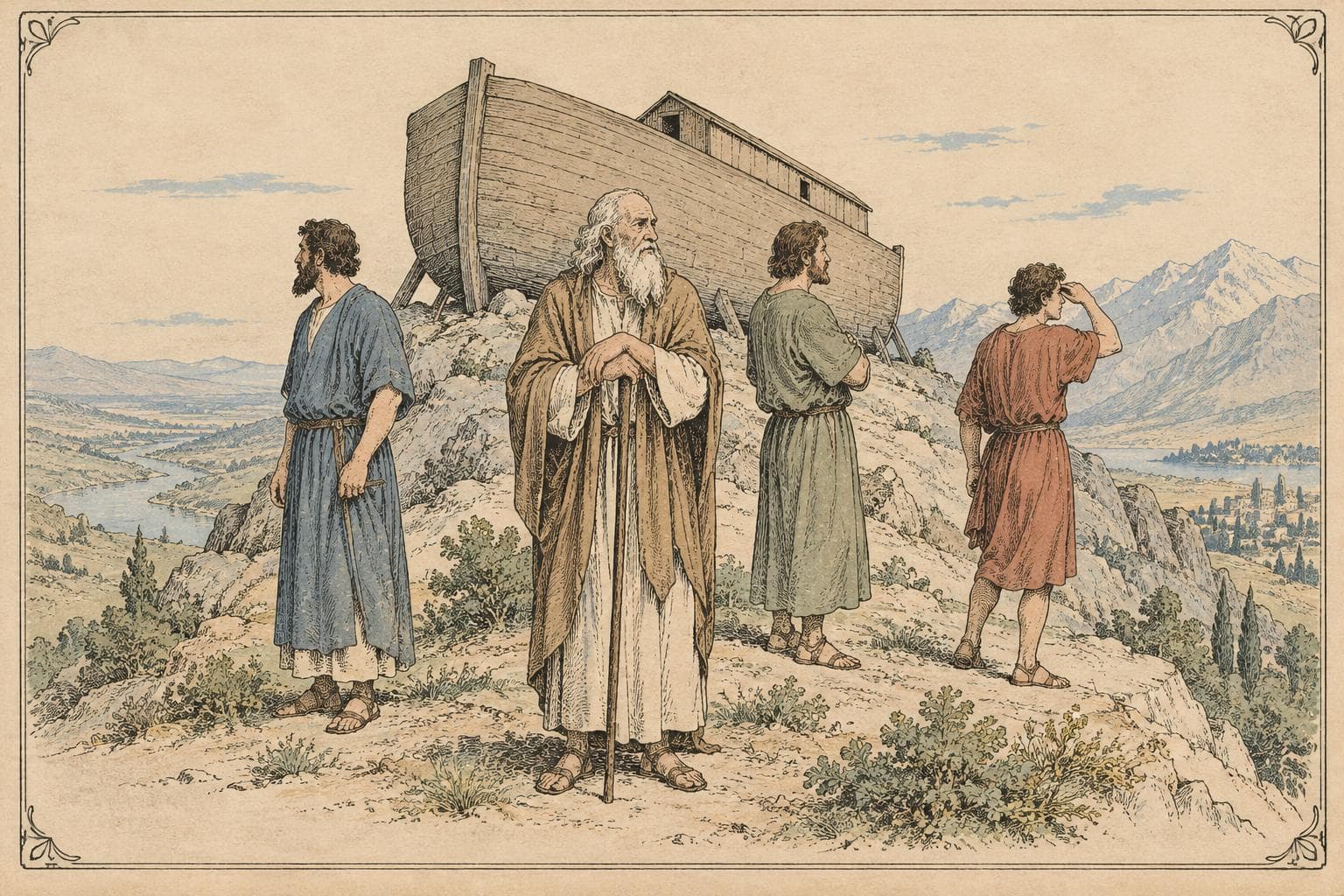
Words Without Worlds: Why "Antisemitism" Only Makes Sense If the Bible Is True
The term "antisemitism" depends entirely on the concept of "Semite." And the concept of "Semite" comes from Shem, one of the three sons of Noah. If you reject the biblical story, what exactly are you referring to when you say "antisemitic"? You are using a word without a world.
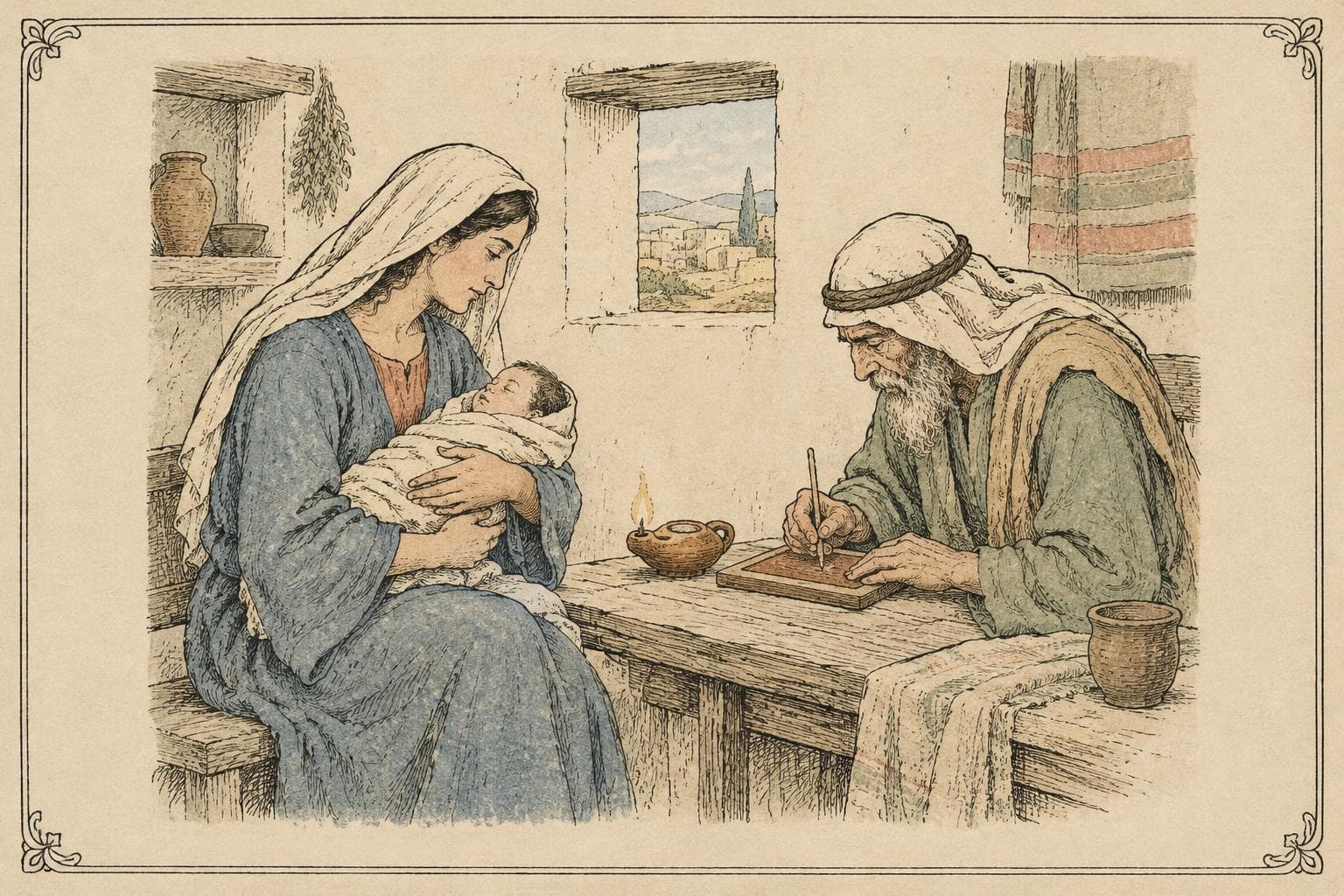
Why Names Matter
Names, in the ancient world, were never mere labels. They were prophetic utterances, compressed theology, miniature creeds. This is the story of two names that changed everything: YHWH and Yahusha, and why understanding them reshapes how we read the entire biblical narrative.
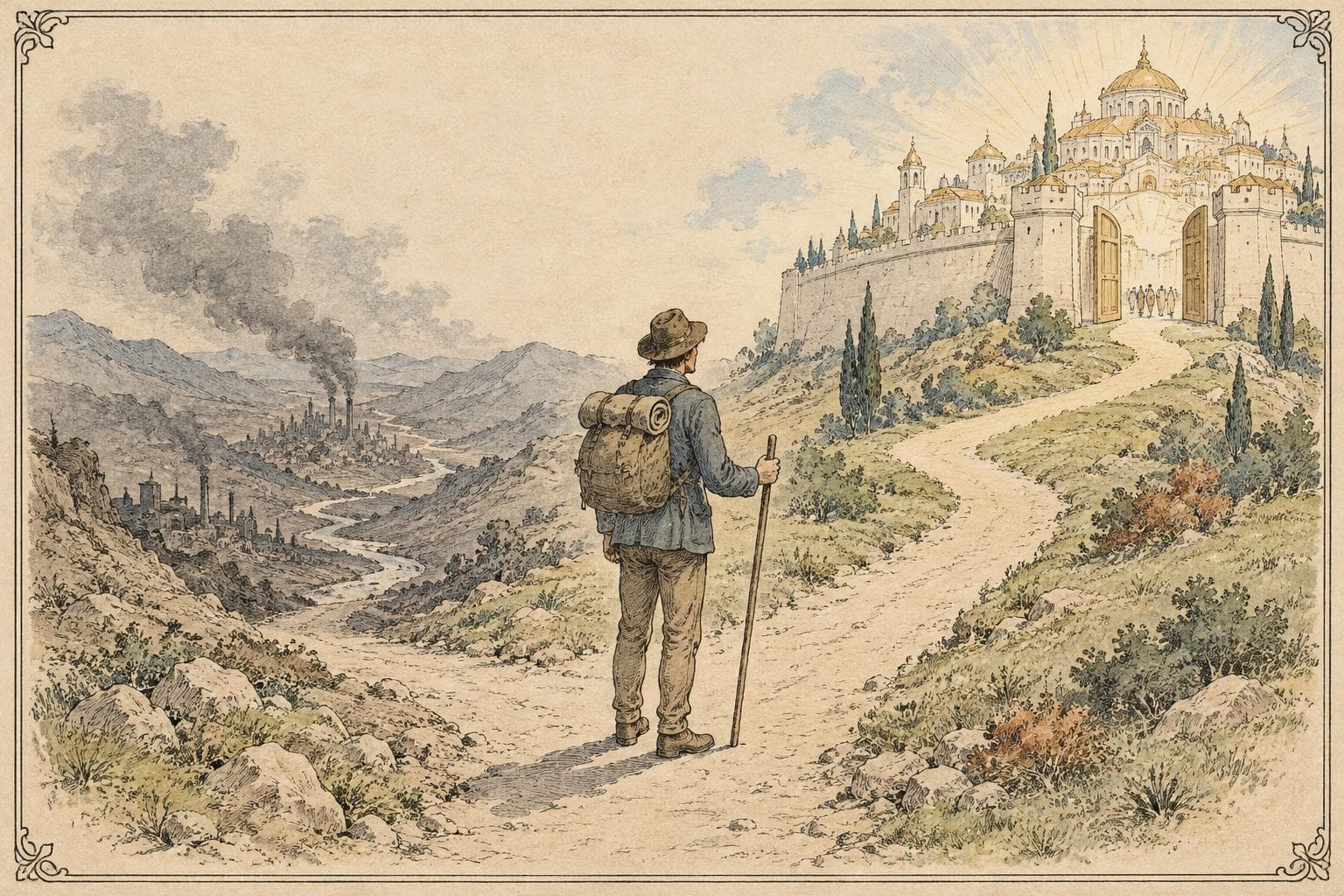
The City and the Fire: On the Two Destinies That Stand Before Us
Revelation presents us with two concrete destinations: a city and a fire. Life and death. Inclusion and exclusion. Perhaps it is time we took another look.
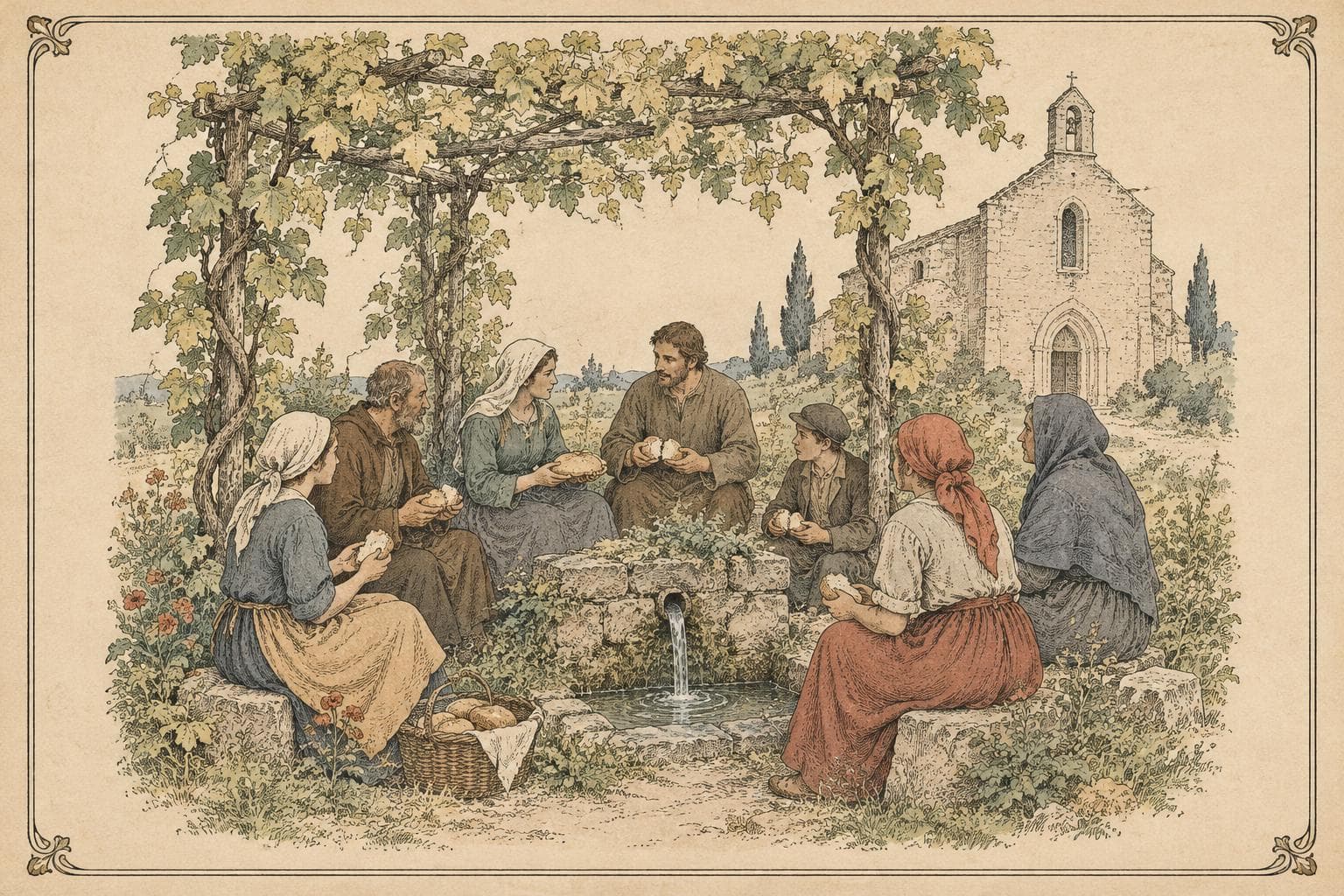
Stop Going to Church. Start Being It.
Reclaiming the Temple We Were Meant to Be: from Eden's garden to the New Jerusalem, God never wanted a building. He wanted a people.
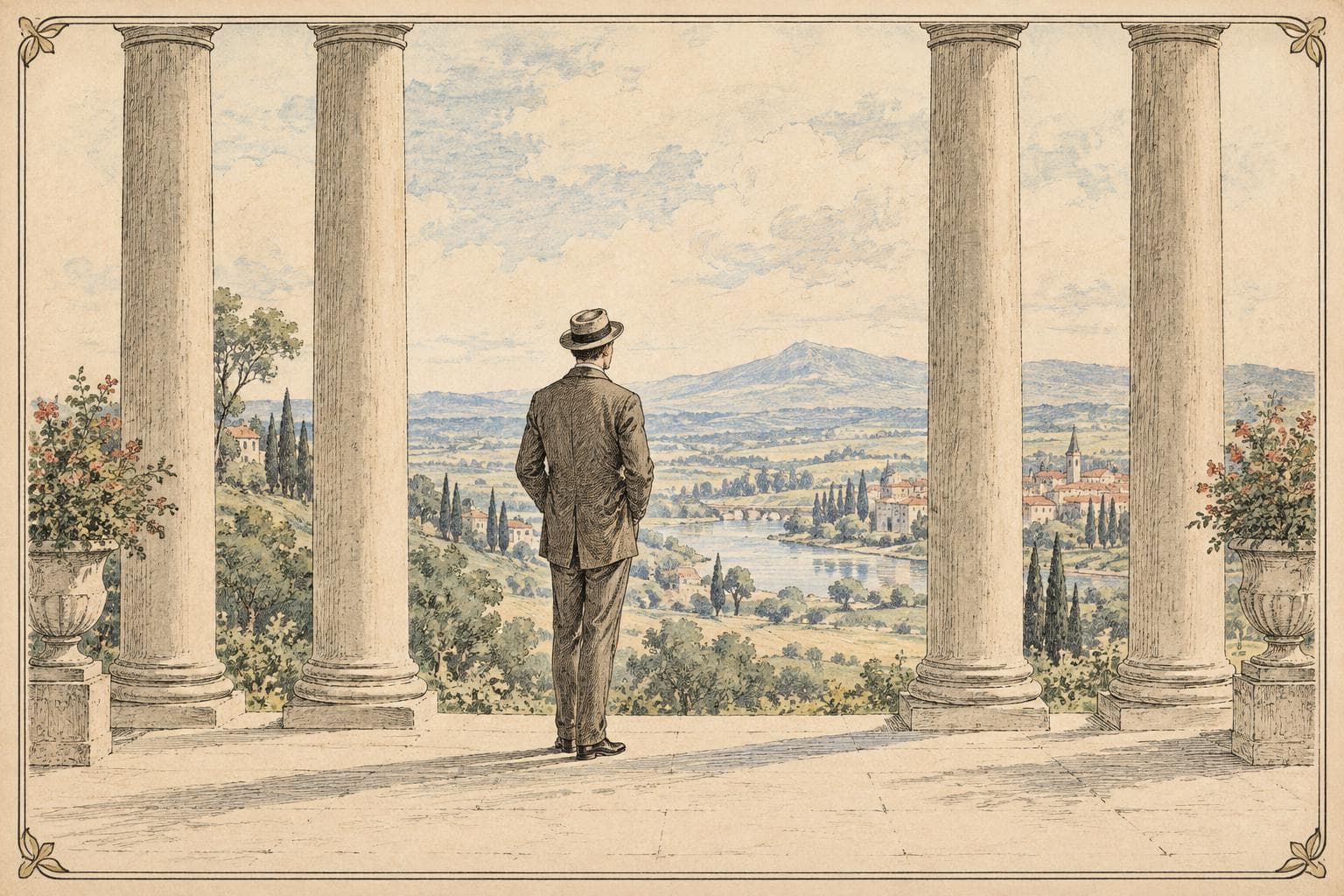
The Architecture of Seeing: Four Pillars That Hold Up Every Human Life
We argue about what we see. We rarely stop to consider how we see it. The frame through which you view reality shapes everything else.
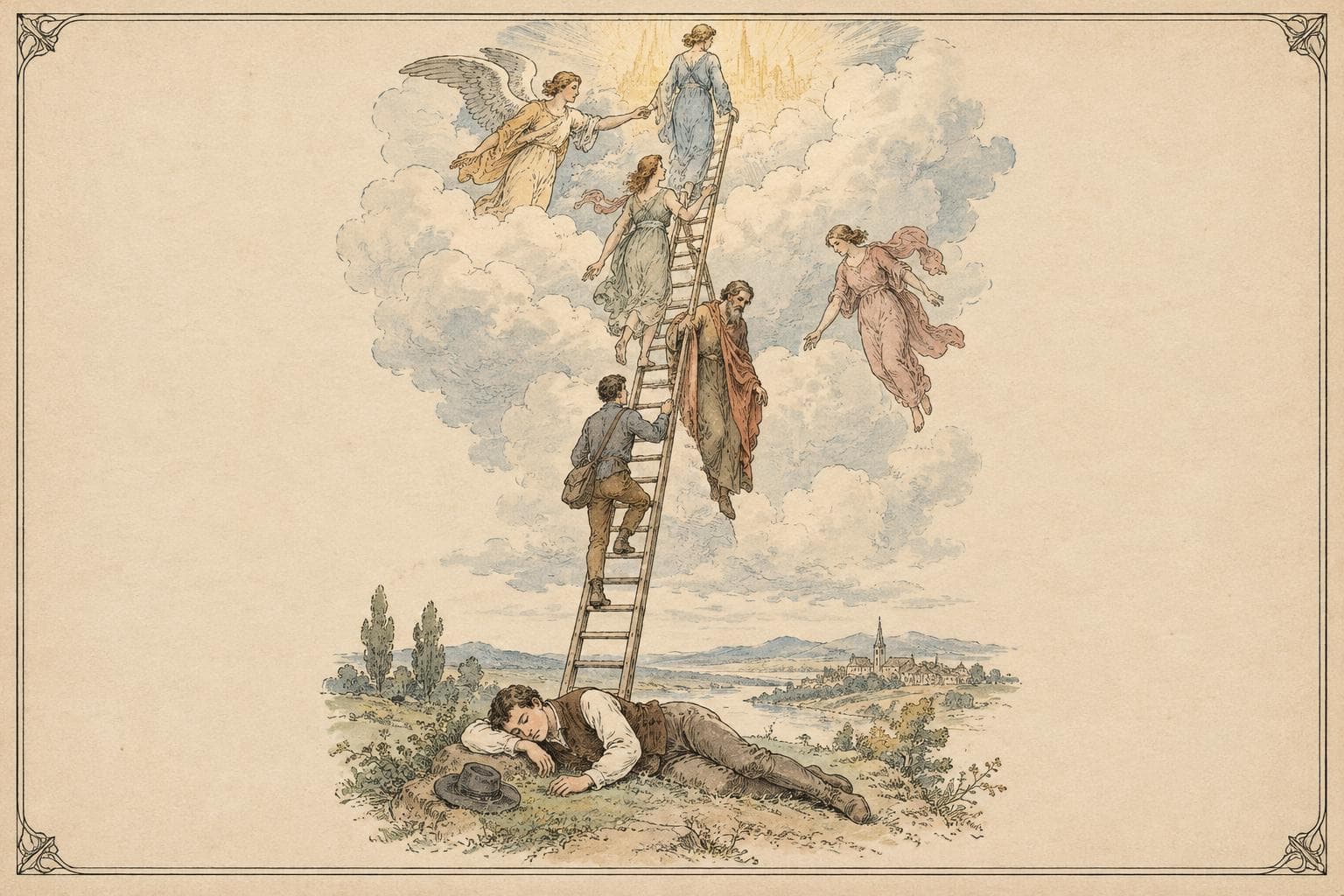
What Heaven Really Is
Most people think of heaven as some far-off place where we go after we die. But that was never YHWH's plan. His real plan is much better: He wants heaven and earth to become one place again.
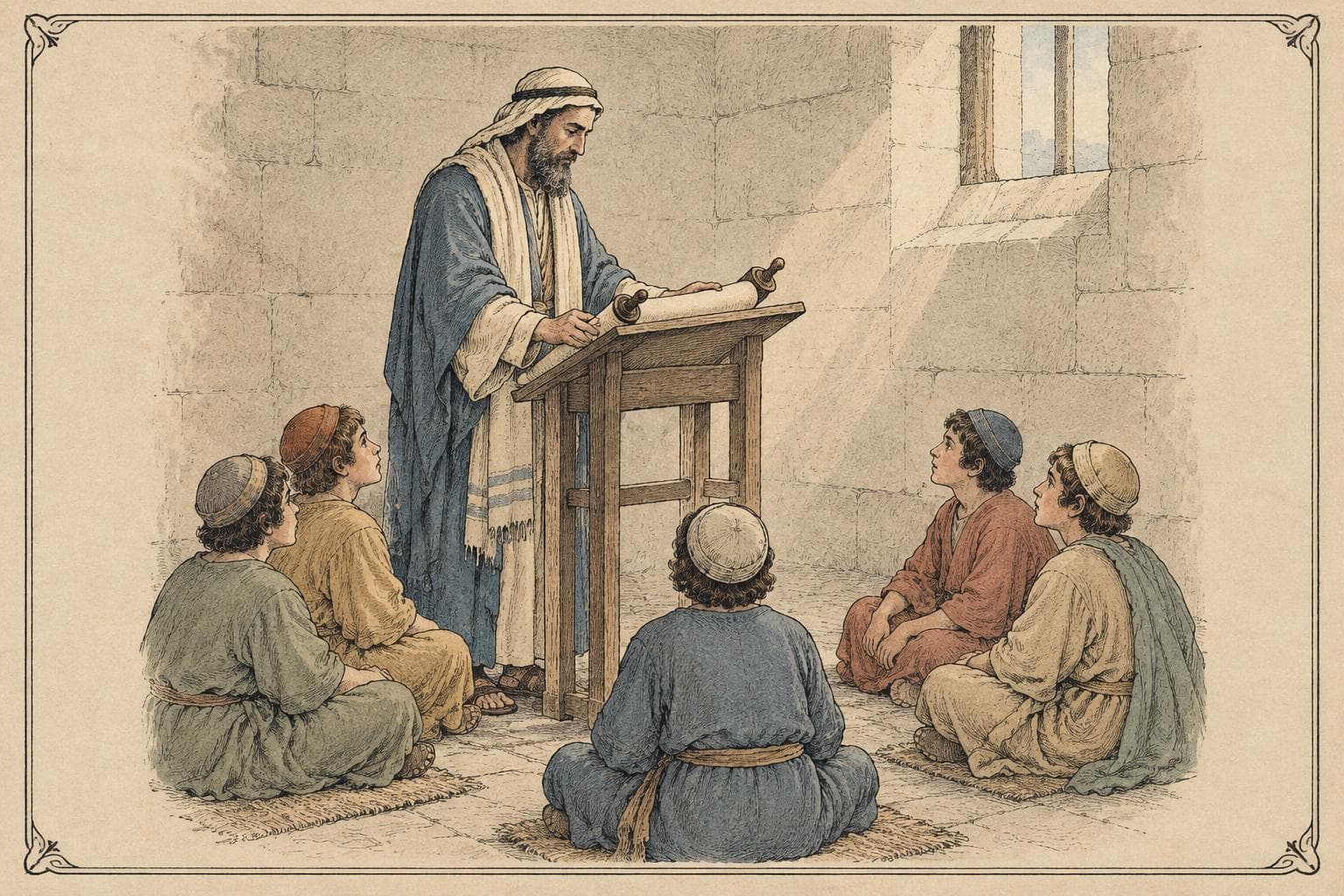
What's in a Name? The Theology of Yahusha and the Question We've Stopped Asking
The name "Jesus" is not the name His mother called Him. That name was Yahusha: and unlike a neutral adaptation, this change severed the connection between the Messiah's identity and the very name of the God He came to reveal.
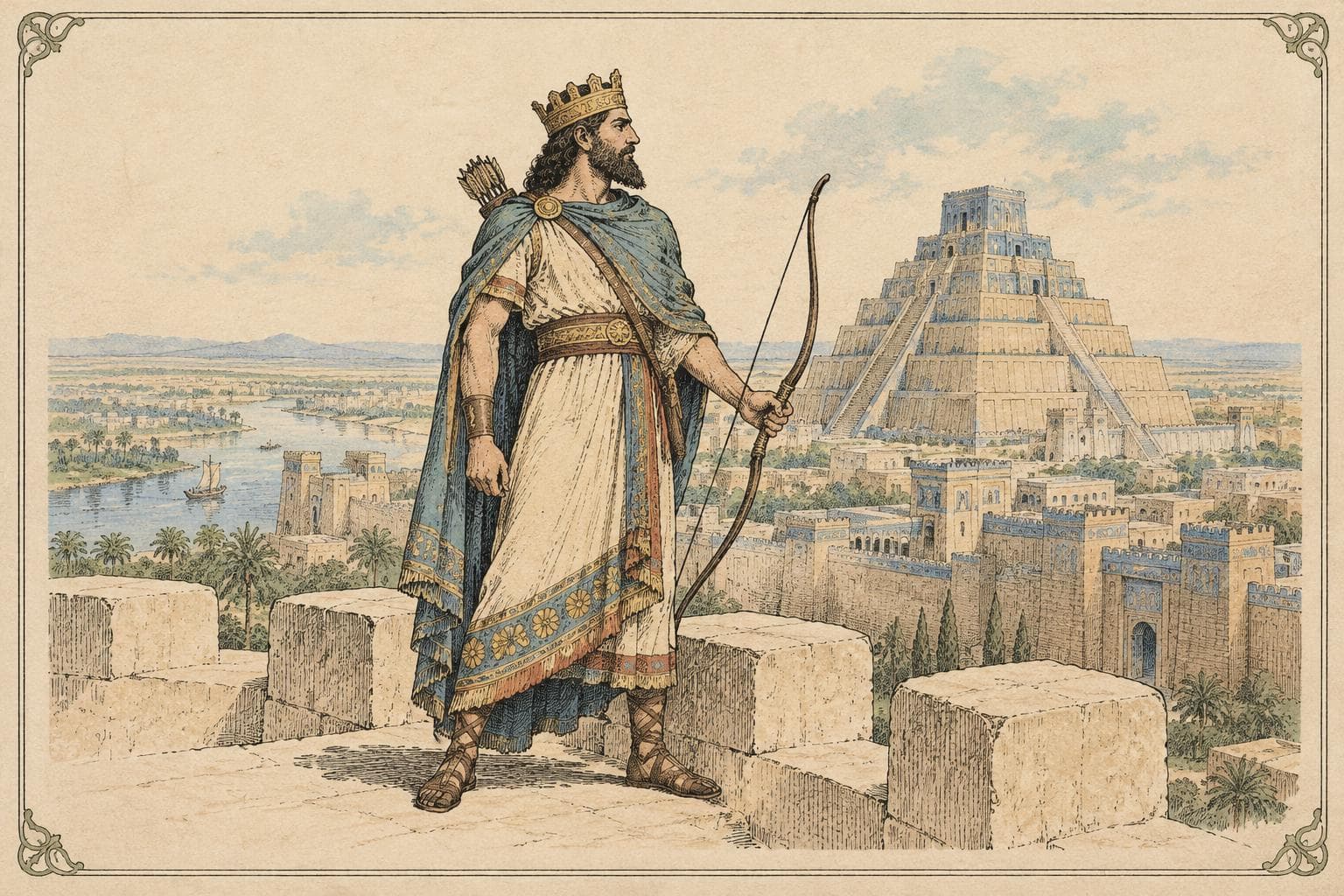
Nimrod: The Rebel King of Ancient Times
We live in a world fascinated by ancient mysteries. Yet curiously, when the Bible mentions such figures, we often dismiss them as mythology. Take Nimrod, for instance: a figure who connects to some of history's greatest cities and yet remains largely unknown.
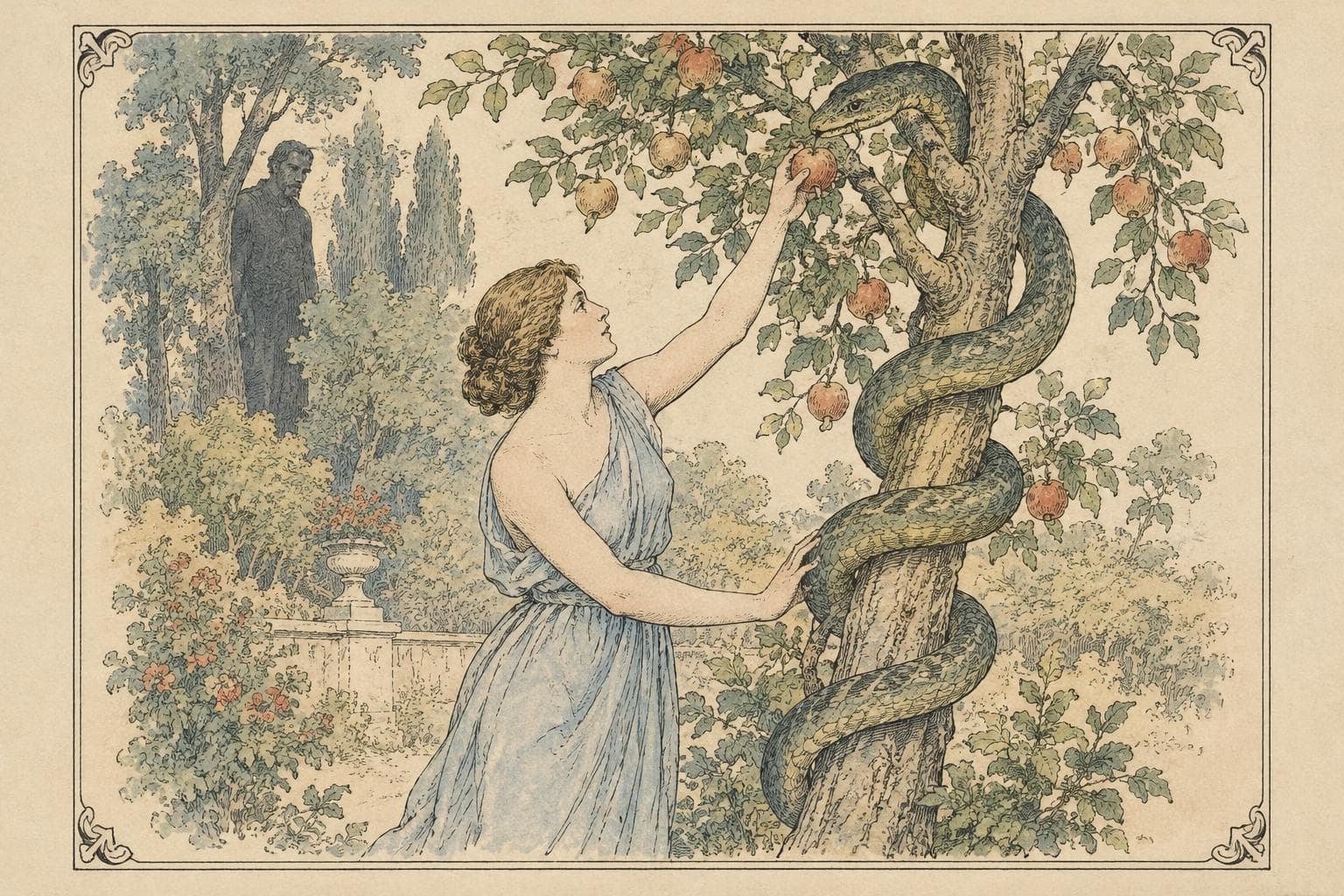
Gadrel: The Forgotten Name of the Adversary
Genesis never calls the serpent Satan. The Book of Enoch preserves an older name for Eden's tempter: Gadrel, and it may change how we understand the ancient adversary.
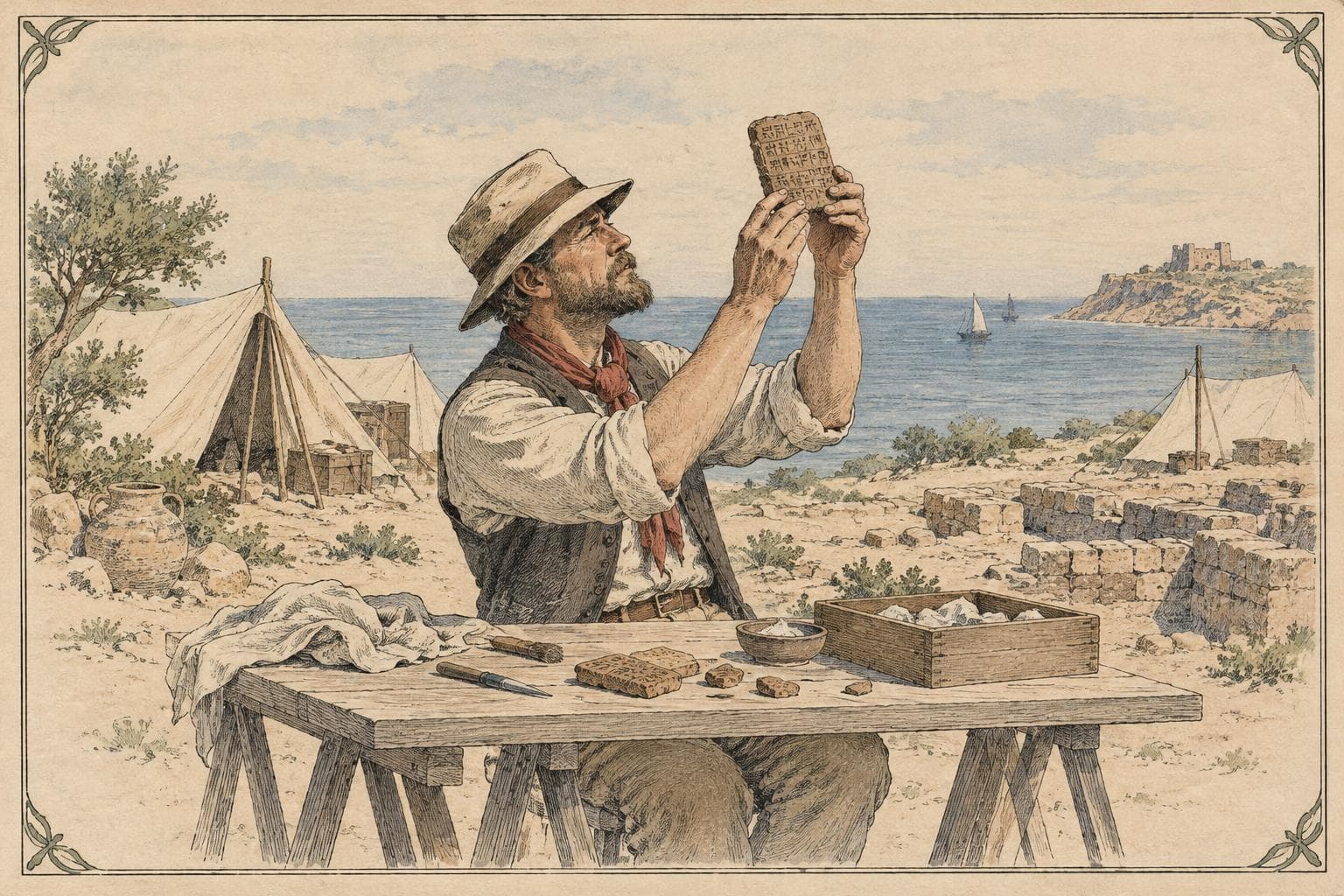
When Ancient Names Collide: The Hebrew El and the Ugaritic Question
Did the Hebrews borrow their concept of God from the Canaanites? The linguistic, chronological, and theological evidence tells a far more interesting story than simple religious plagiarism.
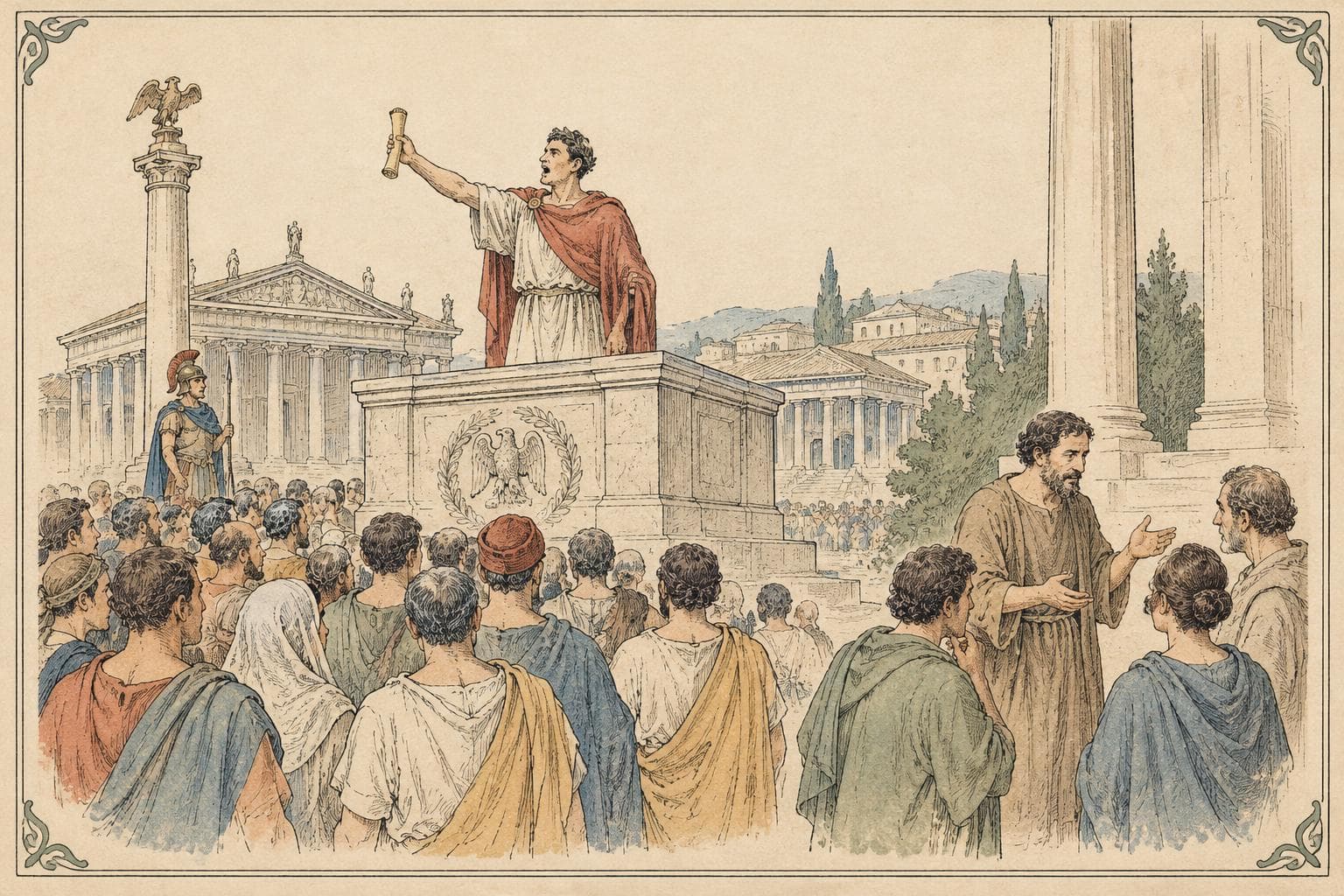
The Gospel: When 'Good News' Collides with Empire
The first Christians took a word saturated with imperial propaganda and turned it into a declaration that God's kingdom, not Caesar's, is the true good news for the world.
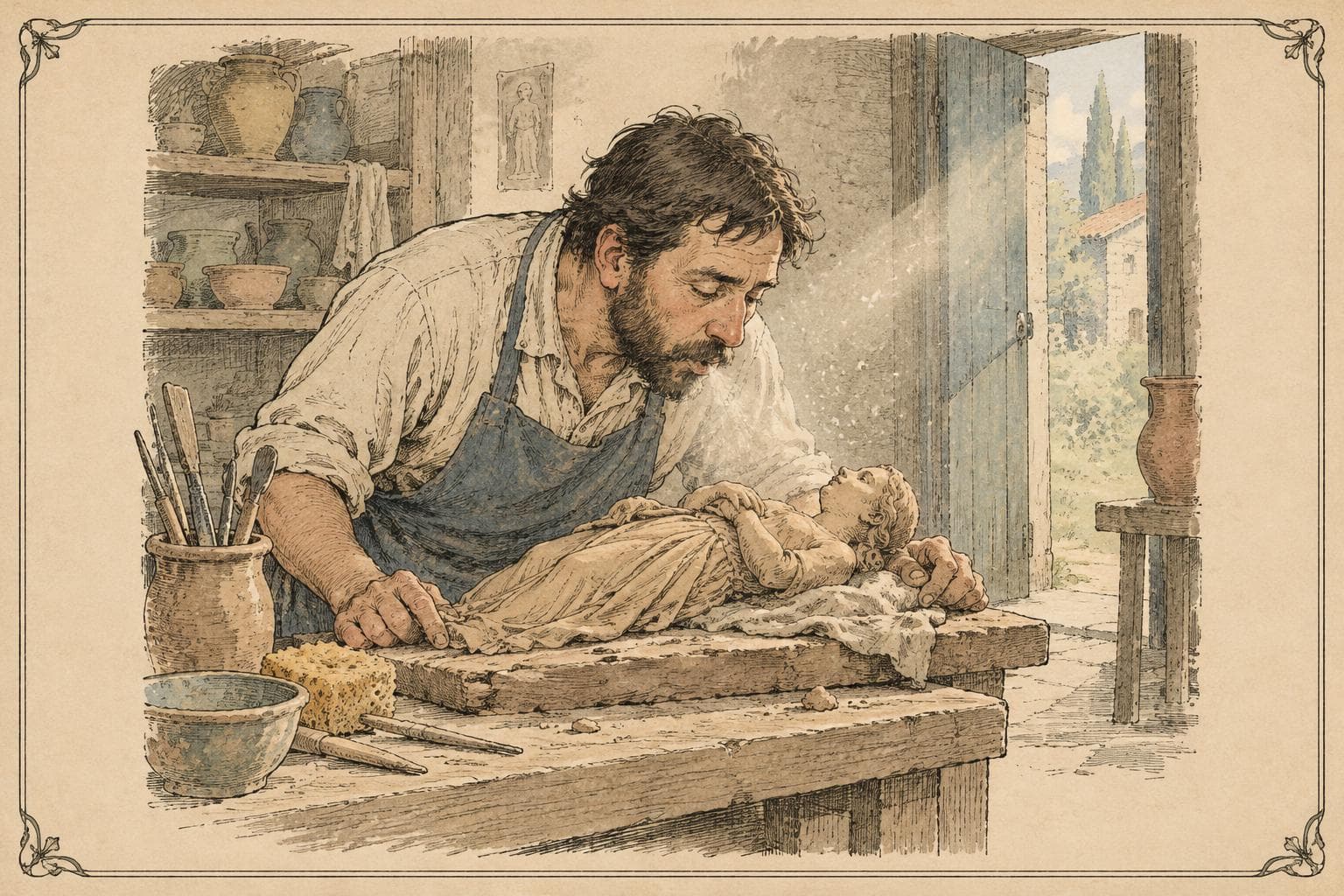
The Breath You Cannot See and the Life You Cannot Deny
We can go our entire lives breathing without ever thinking about breath itself. And yet breath is perhaps the most profound metaphor the biblical writers had for the presence and power of God. Not because they were looking for poetic flourishes, but because they understood something we've largely forgotten: that every breath is a gift, and the Giver is nearer than we imagine.

The Ten Commandments: Creator, Covenant, and Life
How the Ten Commandments form one covenant structure, from Yahuah devotion to Shabbat rest to coveting, explained through Exodus 20 and Deuteronomy 5.

When God Became Human: How John 1 Brings You Into God's Family
Explore what John 1:1 means, why the Word became flesh, and how the Genesis 3:15 promise of the serpent's crushed head opens sonship to all who believe.

Why Capernaum's Judgment Exceeds Sodom's
Capernaum judgment Sodom and Gomorrah in Matthew 11 reveals a first commandment violation: rejecting God in the flesh invites a sterner verdict.

The Resurrection as New Creation: History, Hope, and Urgent Action
Explore the historical evidence for the resurrection of Yahusha, Paul's firstfruits language, and why new creation demands action now, not later.

The Word Made Flesh: John's Prologue and the Cosmic Light
Explore the Alef-Tav Word of John 1 and Yahusha as the Word made flesh, light overcoming darkness, and the call to become children of Alohim.

Colossians 2:8: Christmas & the Tradition of Men
A sourced look at Colossians 2:8 tradition of men, December 25's history, and whether Christmas rests on Scripture or human custom.

Why Say Yahusha: The Original Name Before 'Jesus'
Trace the original name of Jesus back through Hebrew, Greek, and Latin, and see why the letter J's 1500s origin changes how we hear Yahusha.

When Constantine Made Easter: Nicaea's Break from Passover
Explore the Council of Nicaea's 325 AD decision separating Easter from Passover, Polycarp's apostolic stand, and what Luke 22 reveals was lost.

The Obelisk in Stone: Osiris, Rome, and Your Church Steeple
Trace the obelisk from the sun temple at Heliopolis and the myth of Osiris, through the popes' squares in Rome, to the steeple over your own street.

Demons Are Nephilim: The Watchers, the Flood, and Disembodied Spirits
What are demons in the Bible? Explore Genesis 6, the Watchers, the Nephilim, and 1 Enoch's claim that demons are disembodied spirits seeking bodies.

Hebrew El Is Not Ugaritic El: Linguistic & Chronological Evidence
Does Hebrew El copy the Ugaritic supreme deity? Explore genealogy, cuneiform spelling, Masoretic vowels, and the Yahuah name origin that predates Ugarit.

Born Again of Water and Spirit: Why Rebirth Is Humanity's Only Hope
Explore born again water and spirit, Ruach HaKodesh, and John 3's meaning through mortality, the fall, and Peter's transformation in Acts.

Revelation 21:7-8: Inherit All Things or Face the Second Death
He that overcometh shall inherit all things and be God's son: Revelation 21:7-8's promise, set beside the sober warning of the second death.

James vs. Paul on Faith and Works: A Conflict That Never Was
The James Paul contradiction on faith vs works and justification by faith dissolves once you see their different audiences. Here's the real story.

Psalm 2: The King Who Rules Every Nation
Psalm 2 explored: the Son's global inheritance, the iron rod of judgment, and resurrection hope in John 11:25 as true security.

Seeking the Whole Stone: How Truth Scattered Into Fragments
Trace how one whole truth scattered into competing denominations, and why the road to Emmaus shows how to keep seeking until it is restored.

Galatians 2:20: Crucified Yet Living
Galatians 2:20 phrase by phrase: crucified with Mashiach, who the "I" is, and the faith of the Son of God, all rooted in a fight over a table at Antioch.

The 24 Elders Fall Down: Authority's Response to God's Sovereignty
Explore the 24 elders in Revelation 11:16 and 4:4, their thrones, crowns, and priestly roots, revealing how true authority submits to God's sovereignty.

Why People Miss Truth Right Before Them
Explore what John 1:5 means and why spiritual blindness persists even when light shines in the darkness. A diagnosis of hardened hearts and the path to sight.

Amenhotep II and the Exodus: Ancient Sources, Biblical Chronology, Egyptian Dates Converge
Explore the case for Amenhotep II as pharaoh of the Exodus, tracing Manetho, Josephus, and 1 Kings 6:1 to the 1446 BC Exodus date.

Was Moses Senenmut? The Architect Who Vanished
Explore the Moses Senenmut theory: did Hatshepsut's architect and the biblical Moses share one identity? A careful look at the evidence.

What Must I Do? The Question That Costs Everything
The question that outranks every other. Learn how to enter the kingdom of heaven, test false prophets, and find the way, the truth, and the life.

How Masoretes Altered the Divine Name: Josephus, Hallelujah & Recovery
Josephus says the name on the high priest's crown was four vowels. Follow the trail through the Masoretes, Strong's Concordance, Hallelujah and Yahusha.