Bones from Western Australia Show Hunters 45,000 Years Ago Ate Widely by Choice
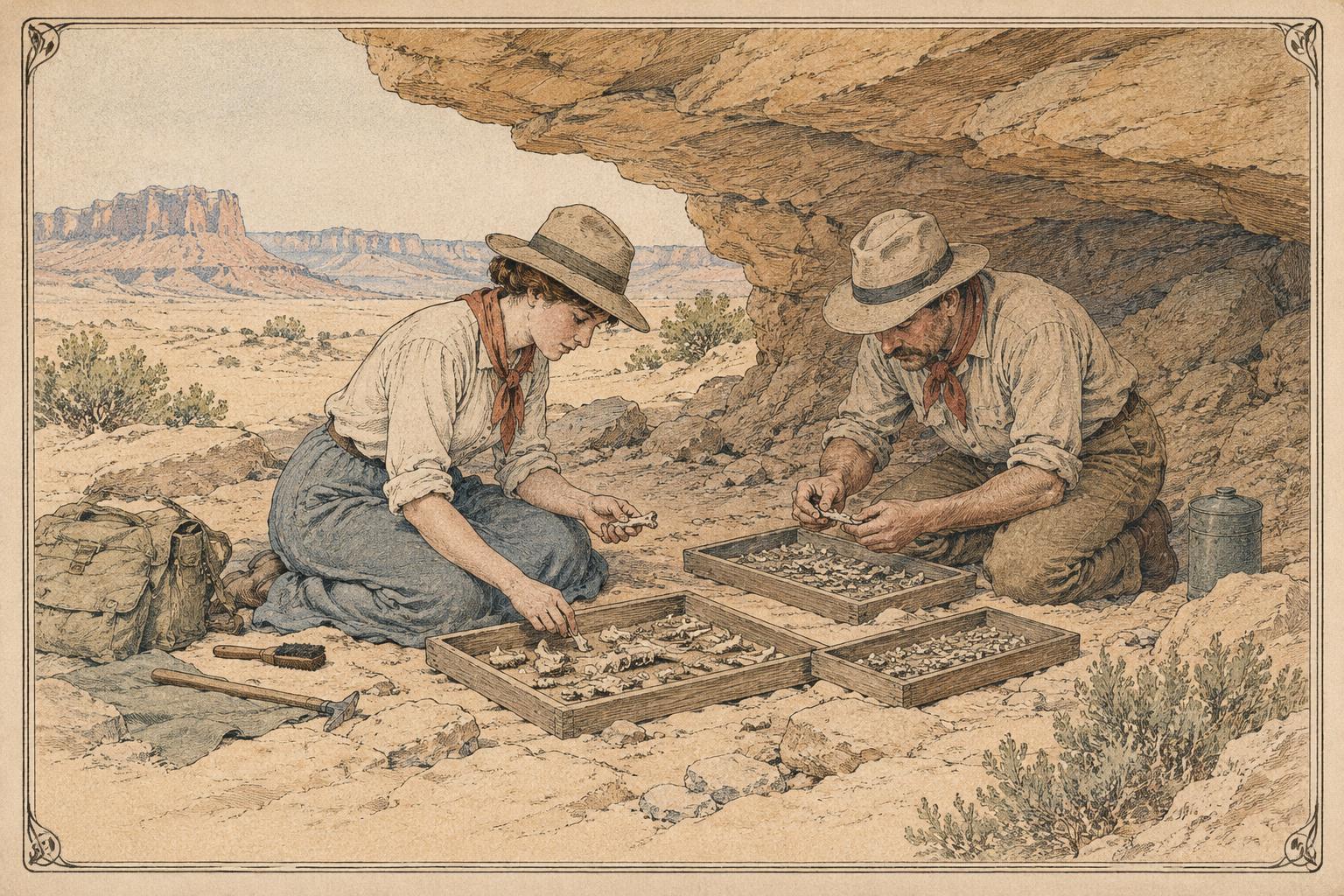
Animal bones from Barrow Island and Riwi, two sites in Western Australia, show that people living there some 45,000 years ago hunted a wide range of prey. Tiina Manne of the University of Queensland led the analysis. It follows a decade of work in the remote northwest and appears in the Proceedings of the National Academy of Sciences.
Riwi is a rock shelter beside the Great Sandy Desert. Its occupants ate wallaby, echidna, possum, flying fox, snakes and lizards. Manne argues that in a country with erratic rainfall, such variety points to abundance. Keeping options open was the sound strategy.
Barrow Island was joined to the mainland at that time. Its record includes wallabies, turtles and reef fish. Many bones were still articulated, which suggests that diners took the richest parts of each animal and threw away the remainder. Manne says that is not how people short of food behave. They could be selective, so a broad menu reflected choice.
The finding cuts against a long-held view in archaeology. Under that view, hunter-gatherers widen their diet only after their favored foods run low. The Western Australian evidence points the other way.
Manne also links the results to the knowledge held by First Nations communities. She says oral histories carry detailed ecological guidance, including which prey is best in which season. When water and plants were plentiful, large kangaroos ranged widely and were hard to find. In dry conditions they clung to waterholes and were easier to ambush. Bandicoots stayed fat in dry spells by turning to insects, so they made a good target then.
A hunter who could switch between animals as conditions shifted fared best. Manne says the bones fit First Nations accounts of seasonal calendars and of ties to Country reaching back thousands of years.
She adds that Australia's long record and its distinctive mammals make it a strong test case. Her team's work, she says, should prompt archaeologists elsewhere to reconsider how they read diet breadth in the past.
The case shows how a plain pile of ancient bones can be read in more than one way. Wide variety at a meal site need not signal hardship. It can mark skill and plenty.
Compiled from the reports below. Read the originals.
Sources
- November 24, 2026
- November 25, 2026Archaeology MagazineResearchers Evaluate Variety in Diet of Australia’s First Nations