Bohemian Graves Show Inequality Grew Slowly Among Early Herders
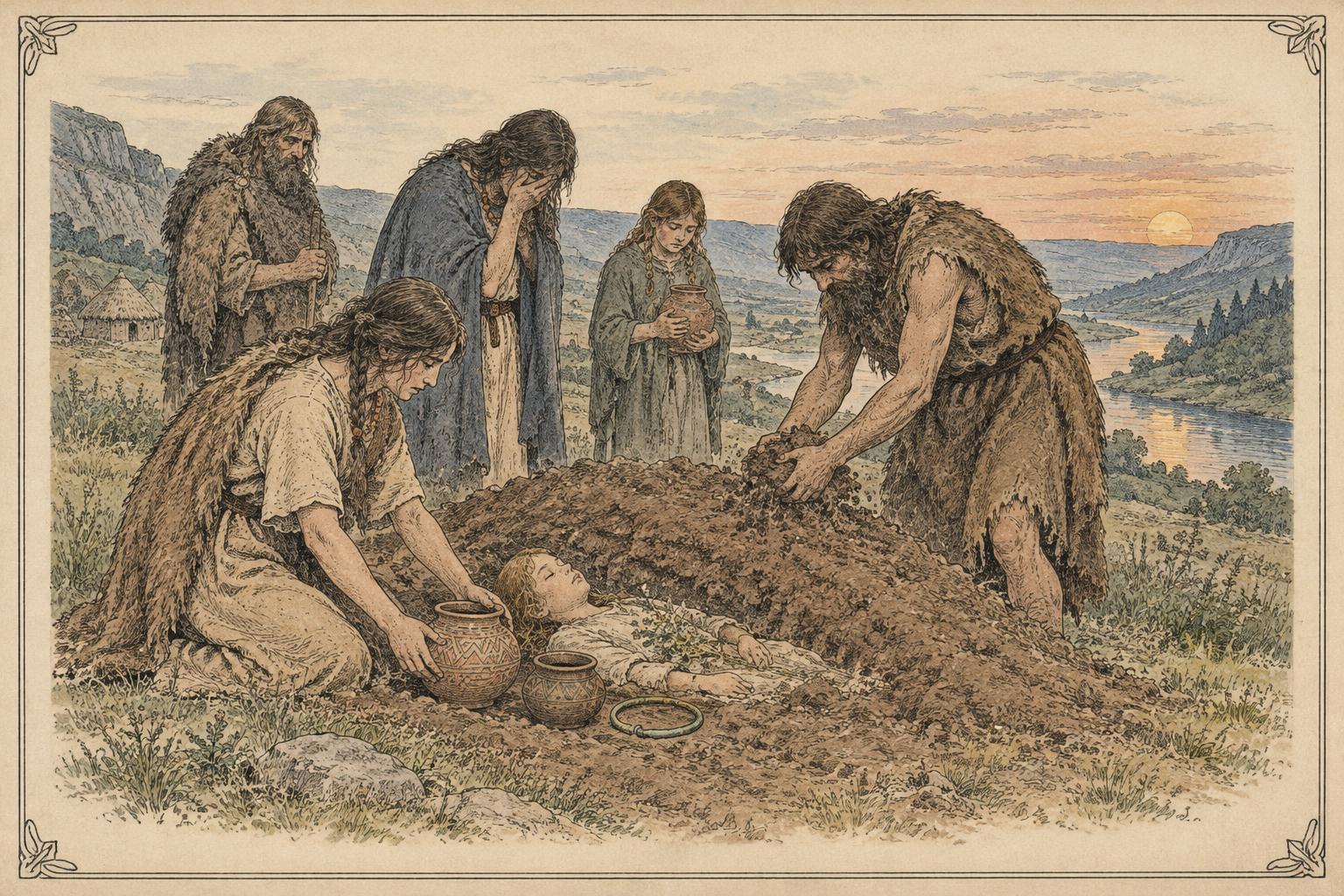
Researchers have scored almost 300 burials in present-day Bohemia to measure wealth among some of Europe's earliest herders. The graves belong to the Corded Ware culture and date to roughly 2900 to 2300 B.C. The result is a picture of inequality that built up slowly.
The work comes from Mikkel Nørtoft of the University of Copenhagen, who developed a multi-proxy method called QuantWealth in his doctoral thesis. With colleague Adam B. Rohrlach, he analysed 296 graves. The method draws on several kinds of grave evidence to estimate status and wealth display. The team then set the results beside genetic ancestry and Y-chromosome patterns, which trace paternal lineages. Age, sex and signs of illness were also taken into account.
The earliest phase runs from about 2900 to 2700 B.C. Herder communities settling in Bohemia seem to have put their effort into building cohesion across a new network of migrants. They did so through shared burial rites and earthen mounds, with few goods placed in graves. Wealth differences were small and mostly tied to age. Power appears to have been spread across several steppe-derived lineages, with little gender inequality.
Around 2700 to 2500 B.C., a new lineage appeared and competition at funerals intensified. Graves held more prestige items and more meat offerings. Exchange networks grew. Adult men came to have the richest graves, so gender inequality rose. Skeletal trauma did not show a clear rise in violence.
In the last phase, about 2500 to 2300 B.C., the new lineage dominated the burial record. A few children received rich graves. The richest of all the Bohemian graves in the study held a young girl at Čachovice. She was buried with a rare copper neck ring, a form later linked with elites in the Bronze and Iron Ages.
Nørtoft reads these signs as possible inherited wealth and growing rivalry. He notes that parents may have adorned children to raise their value in future marriage exchange. "Achieving status through life actions appears to have been more important than through inheritance," he said of the first 400 years, according to the University of Copenhagen statement.
The findings come with a caution. The team has a link between changing paternal lineages and uneven burial wealth in one region. Nørtoft says more DNA data is needed to confirm it at the family level and elsewhere. The study appears in the Journal of Neolithic Archaeology.
The case shows how graves can be read for social structure when no texts survive. Goods, bodies and genes together can reveal whether rank was earned or inherited, and when that changed.
Compiled from the reports below. Read the originals.
Sources
- November 14, 2026
- November 18, 2026Archaeology MagazineWealth and Status of Early Herders Evaluated